


2026 Pennsylvania Infrastructure Report Card
2026 Report Card GPA: C-
From being a powerhouse energy-producer, to daily transit on roadways and bridges, to crucial commercial shipping channels, infrastructure is a vital backbone for Pennsylvania and its economic prosperity. Over the past year, members of the American Society of Civil Engineers from across the commonwealth volunteered to produce the 2026 Report Card for Pennsylvania’s Infrastructure. While significant progress has been seen in some areas, in others, real challenges still remain. Pennsylvania is unique in that it has some of the oldest infrastructure in the country. The federal Infrastructure Investment and Jobs Act (IIJA) provided a boost in funding for many infrastructure projects across the entire commonwealth. However, with the expiration of the IIJA this year, future funding is uncertain.
Since the previous report card, increased federal funding, state legislative support for infrastructure, and public agency planning allowed improvements in several key pieces of infrastructure. Energy improved to a ‘B-’ as the commonwealth is one of the most energy-productive states in the nation, having exported nearly 87 million megawatt-hours of electricity in 2024. Inland Waterways also increased to a ‘C-’ due to several major lock and dam improvement projects that received funding due to the IIJA; this increased funding totals nearly $900 million to the state. Rail improved to a ‘C’ as well; the 2025 Pennsylvania State Rail Plan reports $21.6 billion of investments in capital projects between 2021 and 2045. Wastewater raised to a ‘D’ as a result of increased federal funding from the IIJA that has allowed major projects to get off the ground. For example, Allegheny County Sanitary Authority (ALCOSAN) in western Pennsylvania has begun an ambitious project to construct three deep wet weather collector sewer tunnels.
Despite increases in funding across the state, some infrastructure areas saw downgrades in their rating. Public Parks has been downgraded to a ‘C-’ as demand for both the creation of new facilities and the need to maintain existing facilities is not being met. Schools lowered to a ‘C-’ as funding for schools is extremely limited and a statewide survey shows that 80% of responding school districts have delayed at least one capital project due to a lack of available funding. Transit has been downgraded to a ‘D-’. Pennsylvania’s transit network faces significant financial and infrastructure challenges, as prior levels of state transit funding has sunset, resulting in the transferring of capital dollars to cover operating costs, a solution that is not sustainable.
While great progress has been made for Pennsylvania’s infrastructure over the last 4 years, there is still much to do to maintain and improve the state of the commonwealth’s assets for the safety and security of all residents.
-
Explore Pennsylvania
- Grades
- State Fact Sheet
- IIJA Grants
Pennsylvania Infrastructure Grades
A: Exceptional, B: Good, C: Mediocre, D: Poor, F: Failing
Each category was evaluated on the basis of capacity, condition, funding, future need, operation and maintenance, public safety, resilience, and innovation


Aviation
Following a steady increase in enplanements after the COVID-19 pandemic, with an average increase of 10% year over year for the 15 commercial service airports within Pennsylvania, airports across the Commonwealth generate over $34 billion annually. With significant improvements including the Pittsburgh International Airport (PIT) Terminal Modernization and several airfield rehabilitation projects at airports across Pennsylvania, recent years have seen a general improvement in condition of airport facilities. Several major airports, including Philadelphia International (PHL), are at risk of constrained capacity, and general aviation (GA) airports across Pennsylvania lack sufficient hangar space and cargo infrastructure to meet demand. While recent funding opportunities, including the Infrastructure Investment and Jobs Act of 2021 (IIJA), have provided funding for much-needed improvements, a need exists for consistent funding sources to allow for airports to continue the growth and repair required for the additional enplanements and cargo operations anticipated in the coming years.
Bridges
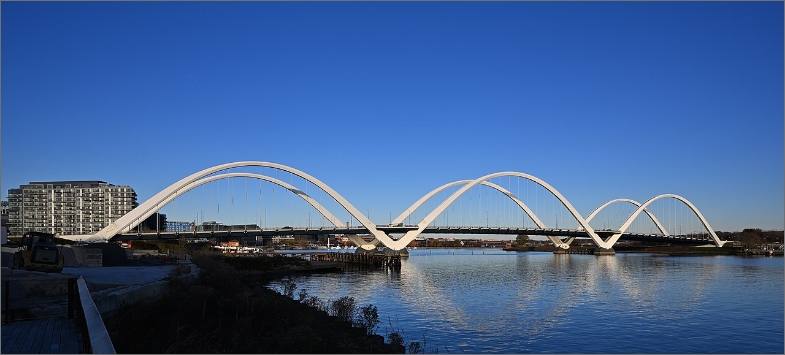
Pennsylvania’s bridges make up the eighth largest inventory in the United States, average 59 years old, and have the sixth highest rate of bridges in poor condition at 12.1%. The percentage of bridges considered to be in poor condition in the Commonwealth has decreased every year since 2021, reaping the benefits that additional funding from the Infrastructure Investment and Jobs Act (IIJA) has provided. However, with the expiration of the IIJA in 2026, as well as the reliability of funding from the gas tax in flux, the state of funding for bridges remains in a state of uncertainty. Despite this uncertainty, Pennsylvania continues to showcase innovative construction methods, as well as integrate resilient design processes into their standards. Replacements of both the I-95 over Cottman Avenue bridge in Philadelphia and the Commercial Street Bridge in Pittsburgh exemplify what can be done to improve bridge conditions when adequate resources are devoted to the cause.
Broadband
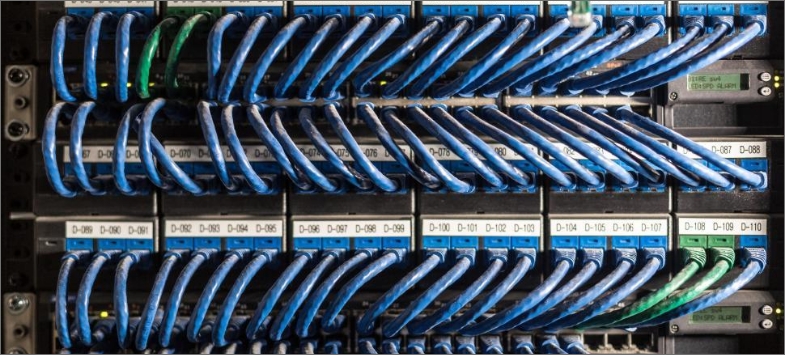
Broadband infrastructure is necessary for Pennsylvania residents and businesses to access information with high-speed data. The Pennsylvania Broadband Development Authority (PBDA) was signed into law in December 2021 as an arm of the Department of Community and Economic Development (DCED) to create a statewide broadband plan to distribute federal and state monies to unserved areas of PA. The two key programs administered by the PBDA are the Capital Projects Fund (CPF) and the Broadband Equity, Access and Deployment (BEAD) Program which will deliver over $1.3 billion dollars in broadband, last-mile connectivity to unserved areas.
Dams
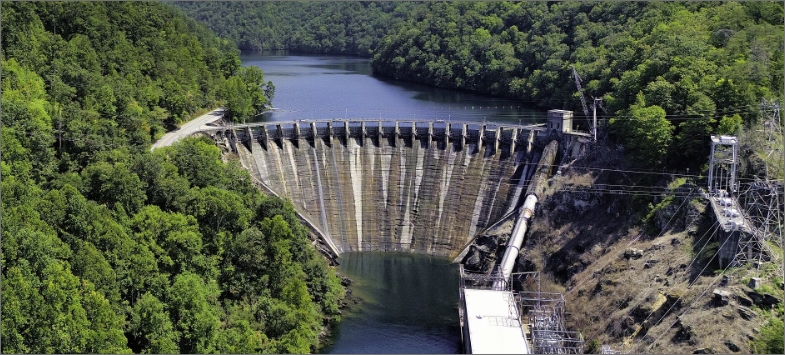
Pennsylvania’s dams provide critical benefits, including flood risk reduction, water supply, recreation, habitat, navigation, and hydroelectric power. Of the 1,492 Pennsylvania dams included in the U.S. Army Corps of Engineers’ (USACE) National Inventory of Dams (NID), 788 are classified as high-hazard potential dams, meaning failure could result in loss of life regardless of condition. Pennsylvania’s dams are among the oldest in the nation, with an average age of 80 years, well beyond the typical 50-year design life, and more than 30% are over 100 years old. Since the 2022 Report Card, Pennsylvania has improved inspection compliance for high-hazard potential dams, advanced emergency preparedness, and remained a national leader in dam removals. However, aging infrastructure, significant rehabilitation needs, increasing downstream development, extensive private ownership, and funding and regulatory staffing challenges justify retaining a C grade. Achieving a higher grade will require sustained inspection compliance, fewer poor and unsatisfactory condition dams, and dedicated funding for rehabilitation, removal, and right-sizing.

Drinking Water
Pennsylvania’s 1,886 community water systems (CWS) serve 88% of the population while 3.3 to 3.5 million residents rely on private wells that are largely unregulated. Pennsylvania has the fourth highest number of lead service lines in use in the nation. CWS monitoring data from 2025 show 41 systems exceed state thresholds for per- and polyfluoroalkyl substances (PFAS); additional exceedances may occur should the Environmental Protection Agency’s lower limits take effect. Beyond CWS, a recent study found PFAS in 65 percent of sampled wells. Furthermore, Pennsylvania’s 20-year drinking water infrastructure needs are $24.3 billion. Federal Drinking Water State Revolving Fund capitalization covers only 22 cents of every dollar of annual need. The gap is worst for the state’s 1,553 small CWS. To improve the grade, PA should close data gaps, establish resilience metrics and fund resilience efforts, accelerate lead service line and PFAS compliance, and establish protections for private well users.
Energy
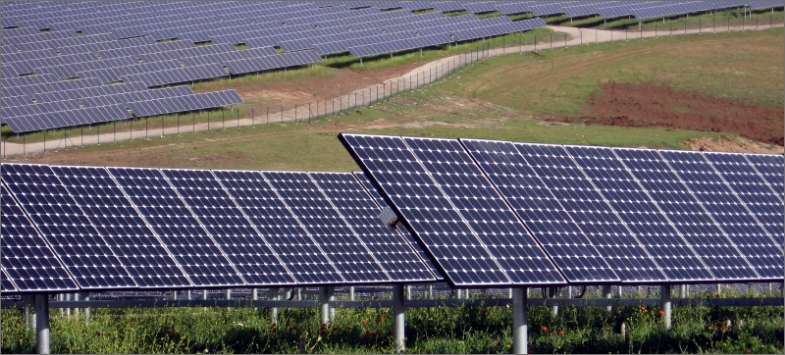
Pennsylvania is one of the most energy-productive states in the nation. It is the second-largest natural gas producer, a top-three coal producer, and the second-largest nuclear-power producer. Pennsylvania also participates in the Pennsylvania-New Jersey-Maryland Interconnection (PJM), supporting regional grid operations for 13 states and the District of Columbia. Pennsylvania’s energy system, however, is at a structural inflection point. As demand rapidly rises and energy systems age, the transmission and distribution (T&D) network needs sustained investment amidst changing regulations and state climate policy. The Commonwealth repealed its participation in the Regional Greenhouse Gas Initiative (RGGI) in 2025 and has not updated its renewable-energy standard (RES) in more than a decade. Decisions made over the next five years will determine whether Pennsylvania’s energy infrastructure can overcome aging while keeping pace with a rapidly changing economy, increasing energy demands from data centers and vehicle electrification, and economic growth.
Hazardous Waste
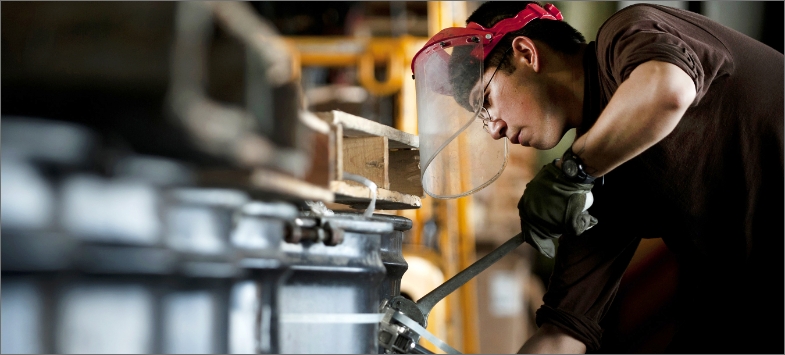
Pennsylvania’s hazardous waste system is broad, mature, and supported by multiple state and federal cleanup programs. The Pennsylvania Department of Environmental Protection (PADEP) manages hazardous waste and cleanup obligations through the Federal Resource Conservation and Recovery Act (RCRA), the Comprehensive Environmental Response, Compensation, and Liability Act (CERCLA/Superfund); and Pennsylvania’s Hazardous Sites Cleanup Act (HSCA) and Act 2. These programs continue to show measurable progress through deleted Superfund sites, Act 2 cleanup approvals, state-funded response actions, and RCRA corrective action milestones. However, the Commonwealth continues to carry a large long-term workload, including complex legacy sites, operation and maintenance obligations, emerging contaminants, staffing demands, and continued pressure on the Hazardous Sites Cleanup Fund (HSCF), where expenditures continue to exceed annual revenue. Pennsylvania currently has 91 final National Priorities List (NPL) sites, with 35 additional sites deleted from the NPL and one proposed site. The Commonwealth has also recorded approximately 8,571 approved Act 2 cleanup activities. Despite this progress, the Hazardous Sites Cleanup Fund reported $25.7 million in revenue compared with $48.9 million in expenditures and commitments in FY2024–25, highlighting the need for sustainable long-term funding.
Inland Waterways
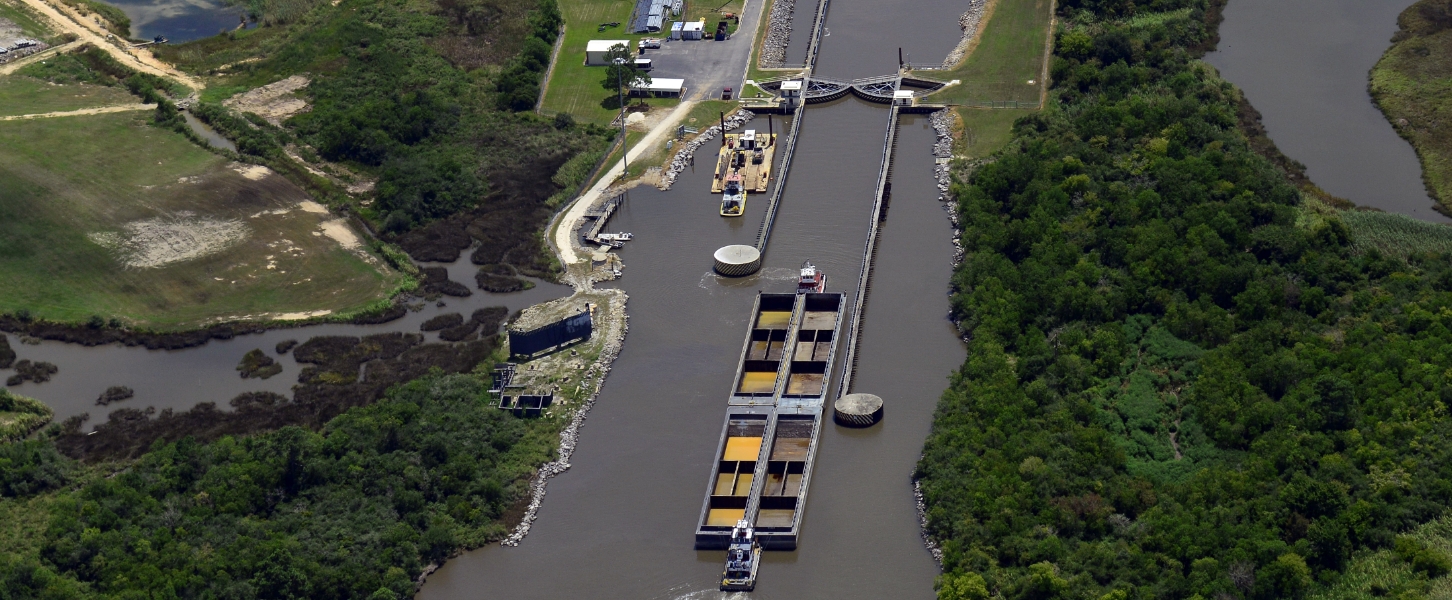
The Port of Pittsburgh’s Inland Waterways Navigation System, the only such network in Pennsylvania, consists of 16 locks and dams on the three major rivers that connect in Pittsburgh. Much of the infrastructure is 85 to 95 years old. Extended age and lack of consistent funding have allowed the condition of this system to deteriorate to the point that watercraft lockages have become severely impeded. Reduced hours of operation are in effect for several Locks and Dams along the Allegheny and Monongahela Rivers. While the recent increase in funding for navigation is helpful, a significant backlog still exists. Meanwhile, inconsistent and piecemeal funding has caused the Lower Monongahela Navigation Project costs to increase from the original 1992 estimate of $750 million to the current estimate of $1.2 billion. Lack of funding for condition-driven projects could lead to major lock and dam failures and loss of navigation for an extended period.
Levees
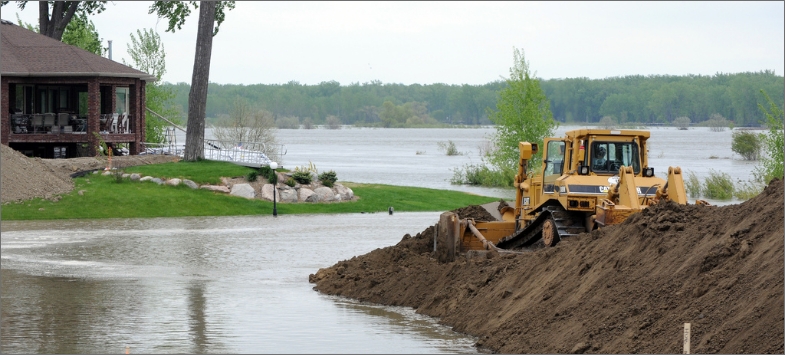
Pennsylvania has 180 levee systems that span 155 miles and reduce flood risk for approximately 158,000 residents, 47,900 buildings, and $26.2 billion in property. Averaging more than 60 years old, many exceed the design life commonly associated with flood protection infrastructure. Although most screened systems have a low USACE Levee Safety Action Classification, more than 85% are not FEMA-accredited, and many are maintained by local governments with limited financial and technical resources.
Public safety remains a significant concern because levee overtopping or failure can result in rapid flooding and substantial loss of life, economic, or environmental consequences for the communities they protect. Continued investment in maintenance, rehabilitation, inspections, emergency preparedness, and Emergency Action Plans is essential as Pennsylvania’s levees face aging infrastructure, funding constraints, and preparedness gaps.
Ports
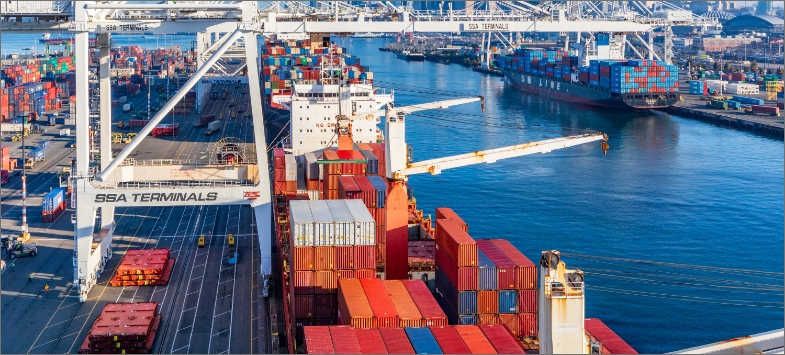
Pennsylvania is home to three main ports located in Philadelphia, Pittsburgh, and Erie. These regions process over 67 million tons of goods annually, valued at nearly $50 billion. Pennsylvania’s port infrastructure is aging, with considerable ongoing rehabilitation work and future investment needed for continued operation and realization of future growth potential. In Philadelphia, port operators are initiating regional growth with the development of a new cruise terminal and the Destination 2040 strategic plan to triple container capacity over the next 15 years. State and local funding is critical for maintenance and rehabilitation, as well as future growth, and is anticipated to continue into the foreseeable future.
Public Parks
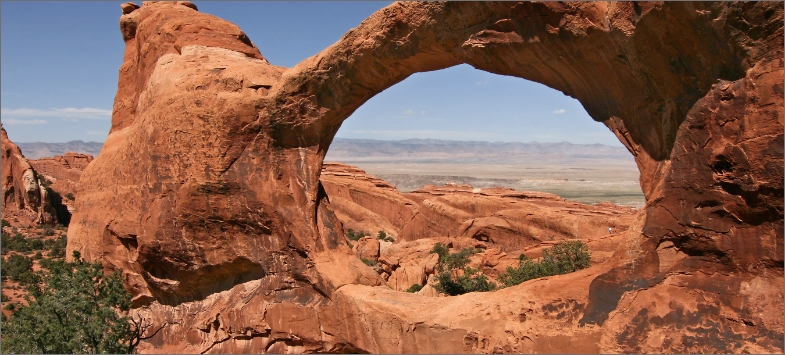
Public parks, including nature preserves, plazas, trails, and connectors have provided passive and active recreation for centuries. In the modern era, public parks are expected to provide natural spaces, transportation for commuters, tourism opportunities, mental health refuges, and community growth assets. Despite increases in funding across the state, demand for both the creation of new facilities and maintenance of existing facilities is not being met. Communities are trying to increase safety and accessibility to parks by providing educational materials, sunscreen dispensers, information signs, and accessible design. Cities and towns are also looking to plant trees to help reduce the heat island effect, improve stormwater management, and reduce crime rates. The Pennsylvania Department of Conservation and Natural Resources (DCNR) has been teaming with trusted mobility data companies, in addition to traditional counting metrics, to conduct its own exploratory studies to understand opportunities, challenges, and trends of public use in their parks, with the goal to inform how to implement strategic improvements to public parks.
Rail
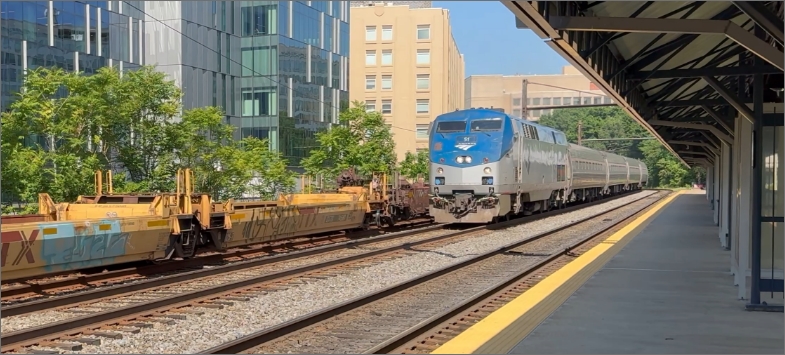
Pennsylvania’s rail network is as diverse as the Commonwealth itself, ranging from intercity passenger service to transcontinental freight rail systems, to small, short line railroads serving rural areas of the states. The 6,842-mile state network features three Class I operators (CSX, Norfolk Southern, Canadian National), three Class II companies, and 53 Class III operators. In general, Class I infrastructure is in good to excellent condition. Amtrak service will expand with the recently announced agreement to upgrade passenger rail service on Norfolk Southern track in Western Pennsylvania. The 2025 Pennsylvania State Rail Plan (PSRP) reports $21.6 billion of investments in capital projects between 2021 and 2045. This includes $20.2 billion for 218 passenger rail projects and $1.4 billion for 377 freight rail projects, the latter of which are mostly Class III railroad infrastructure needs. The Infrastructure Investment and Jobs Act (IIJA) has expanded and improved passenger rail services in the Keystone State, while keeping the freight network modern and safe.
Roads
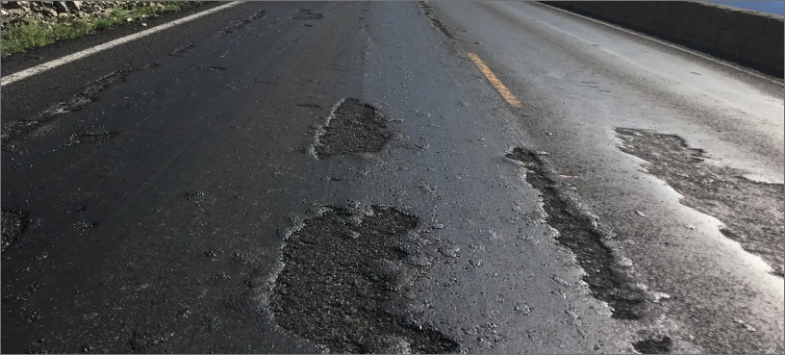
Pennsylvania’s road network is extensive and covers approximately 122,000 miles. Over the past decade, the Commonwealth has undertaken efforts to improve these roadways, first passing Act 89 in 2013, which increased the fuel tax in Pennsylvania, generating additional revenue of $2.4 billion annually for the transportation system. While it was controversial at the time, that decision has allowed for the programming, design and implementation of nearly 3800 roadway projects, with over 3000 of those projects currently in an active phase according to the Pennsylvania Department of Transportation (PennDOT). These projects have contributed to improved roadway conditions and reduced congestion, but unfortunately Pennsylvanians still spend nearly 50 hours each year stuck in traffic. Additionally, even with Act 89 funding and the state poised to receive nearly $14 billion for roadway projects from the federal Infrastructure Investment and Jobs Act (IIJA), Pennsylvania’s roads still face a shortfall of over $17 billion in unmet needs over the next decade.
Schools
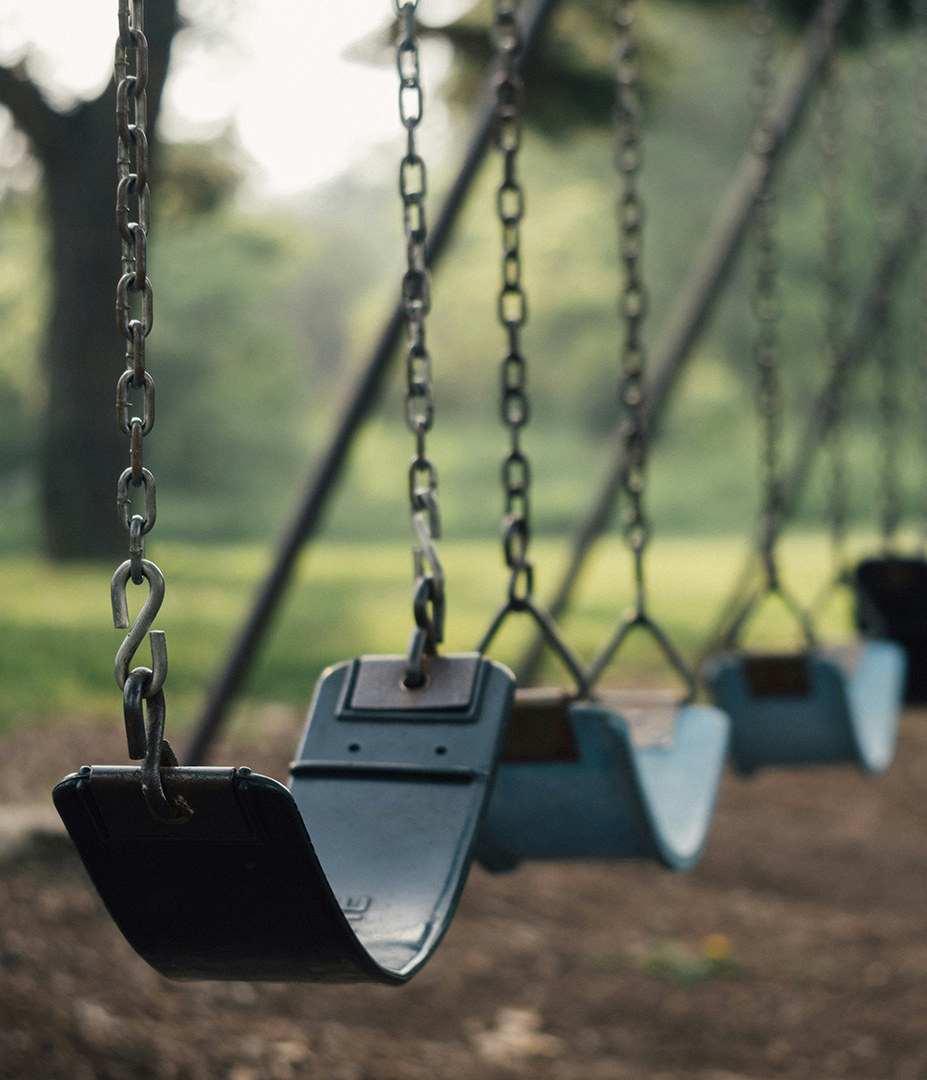
Pennsylvania’s public-school districts are spending $3.2 billion less than the recommended standard for public school facility operation and maintenance, and capital improvements each year. This gap in spending is partnered with aging schools, with the average Pennsylvania school building being over 70 years old. Over 80% of school districts in the Commonwealth report delaying at least one capital project due to the lack of available funding. Simultaneously, the Commonwealth remains a leader in the construction of solar energy for school facilities. The need for more funding remains critical for school infrastructure to be considered fit for the future.
Stormwater
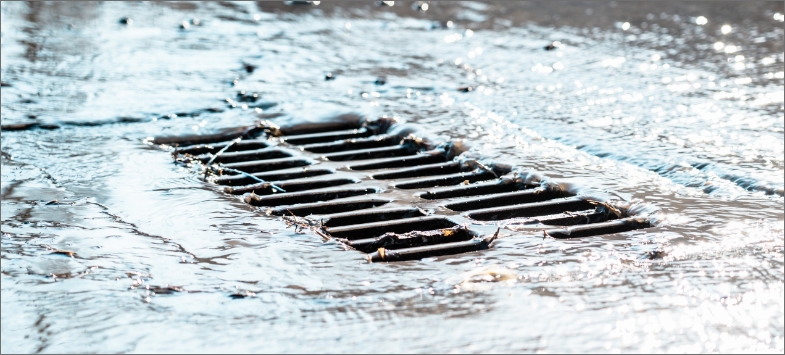
Pennsylvania’s stormwater infrastructure manages runoff, helping to reduce flooding and protect water quality across the Commonwealth. While new development is subject to modern permitting requirements that address peak rate, runoff volume, and pollutant reduction, the most pressing challenge lies in the vast inventory of existing infrastructure that predates those standards and has not been retrofitted to meet them. Many of these systems are approaching or exceeding their design lives, and approximately 34% of Pennsylvania’s streams are currently classified as impaired, with urban runoff identified as the third-largest source (Pennsylvania Department of Environmental Protection (PADEP) 2024). Responsibility for stormwater management is distributed across more than 2,500 municipalities, contributing to inconsistent maintenance standards, data sharing, and widespread deferred upgrades. Funding is increasing through Pennsylvania Infrastructure Investment Authority (PENNVEST), and state and federal programs, but a significant gap remains relative to the estimated $1.7 billion in identified need (EPA 2022). Building a statewide asset inventory, supported where practical by emerging tools such as AI-assisted condition assessment, is one of the most important steps toward closing that gap.

Transit
Public transit serves all 67 Pennsylvania counties and continues to support strong ridership in both urban and rural communities. However, Pennsylvania’s transit network faces significant financial and infrastructure challenges. While Act 89 helped address critical capital needs, additional long-term investment will be required to maintain and expand service. Temporary COVID relief funding, alongside the federal Infrastructure Investment and Jobs Act (IIJA), has provided substantial funding for transit and infrastructure improvements, but remaining formula funds are set to expire in December 2026 without congressional action. Federal review and grant delays have further limited agencies’ ability to obligate available funds.
At the same time, many transit agencies are experiencing operating deficits and have increasingly relied on capital funds to sustain service. In 2025, Pittsburgh Regional Rail (PRT) faced a $100 million budget shortfall and proposed major service reductions and fare increases, while the Southeastern Pennsylvania Transportation Authority (SEPTA) was authorized to use $394 million in capital assistance to support operations. Without dedicated funding streams to make up the loss of other programs, agencies across the state face service cuts and system scale backs. Future improvements, upgrades, safety measures, and expansions remain out of reach, especially if capital funding continues to be used for systems operations.
Wastewater
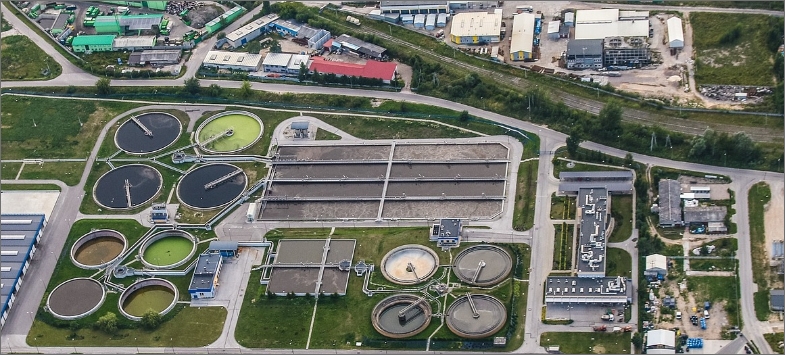
The status of Pennsylvania’s aging wastewater collection and treatment systems is slowly trending in the right direction but still requires significant investment. Based on current estimates, at least $9.6 billion will be required to address Pennsylvania’s funding gap. Over 20% of all Pennsylvania households utilize on-lot disposal systems, with very little data on their failure rate, and almost 75% of Pennsylvania’s communities lack up-to-date Act 537 Sewerage Facility Plans. Additionally, Pennsylvania contains over 1,500 combined sewer outfalls that pollute rivers and streams of the Commonwealth during combined sewer overflows (CSOs). CSOs are a major hazard to human health and wildlife, especially as climate change increases the severity and frequency of rain events. While these are all significant challenges for Pennsylvania, many communities are already making steady progress to address these issues.
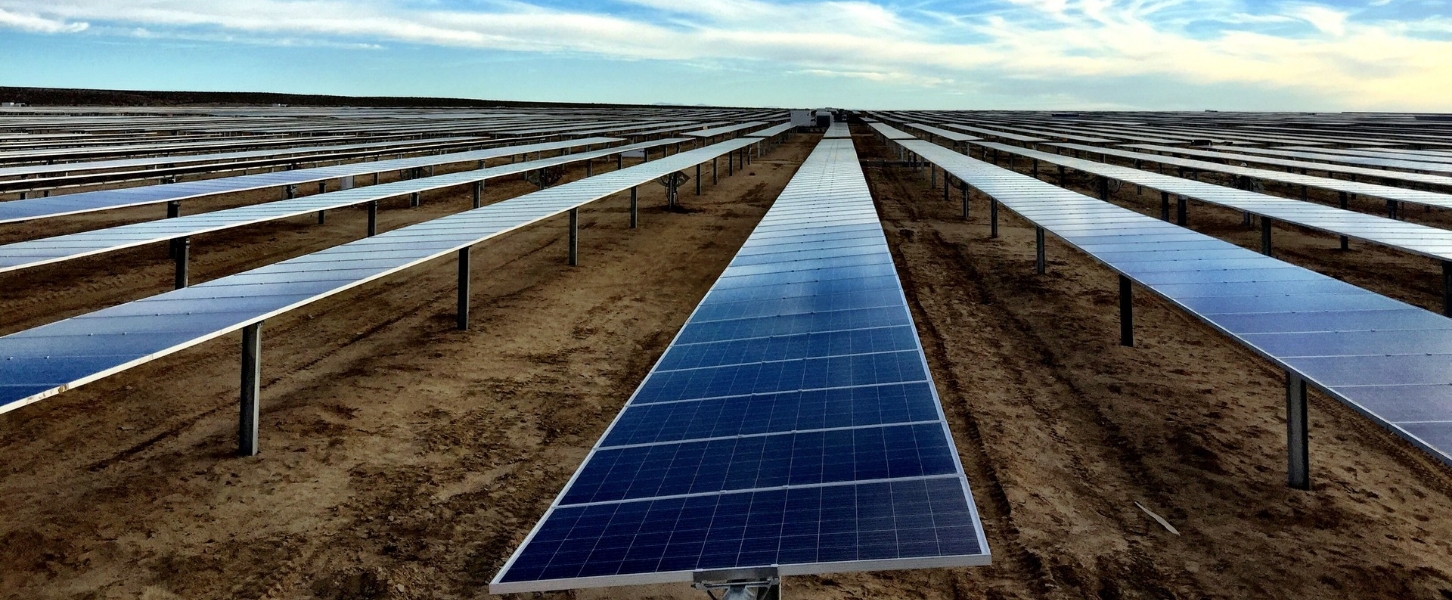
Achieving a reliable and decarbonized power grid in Pennsylvania would require as much as $100 billion in investment in generation, transmission, and end-use electrification over the next 25 years.
State Fact Sheet
Download Fact Sheet
23,314
Bridges

12%
of Bridges are Deficient

787
High Hazard Dams

$63.2B
in Drinking Water Needs

157 Miles
of Levees
Protecting 154,000 people

51%
of Roads in poor or fair condition

$ 778.88
Motorist pays annually
due to insufficient infrastructure

266.8M
Passenger Trips on Public Transit

$41.7B
Wastewater needs

$29.8B
Total storm damage
(1980-2024)

IIJA Grants
IIJA Funding Announced
Number of IIJA Projects
Montgomery Locks: This $858 million award will modernize and expand Montgomery Locks in Monaca by replacing the aging auxiliary lock with a new, larger lock, resulting in improved cargo transport capacity for 13 million tons annually and supporting 15,000 regional jobs—many of them union—during construction.
I-83 South Bridge Replacement Project: This $500 million award will replace the I-83 South Bridge in Harrisburg, originally built in 1960 and widened in 1982, resulting in improved safety and reliability for the 125,000 vehicles crossing daily and enhanced intermodal connectivity linking Pennsylvania’s capital region with Baltimore.
Pennsylvanian Rail Corridor: This $143 million award will fund track and signal upgrades on the Pennsylvanian Rail Corridor, resulting in improved safety, reduced travel times and congestion, enhanced freight rail operations, and enabling Amtrak to offer a second daily round trip between Philadelphia, Harrisburg, and Pittsburgh.

Connect with Your Legislators
Let everyone know how important it is that we continue to invest in the future of America’s infrastructure.
Take Action Today