

2026 New Hampshire Infrastructure Report Card
2026 Report Card GPA: C
The 2026 Report Card for New Hampshire’s Infrastructure, prepared by the New Hampshire Section of the American Society of Civil Engineers (ASCE-NH), evaluates twelve infrastructure categories. Category grades range from a high of B- for aviation to a low of D+ for stormwater and wastewater. Since 2017 though, solid waste slipped from C+ to C, aviation, ports, rail, and roads improved, and the overall grade rose from a C- to a C.
Aging assets are a recurring theme across all of New Hampshire’s infrastructure systems. New Hampshire’s dams average more than 100 years old, and of its bridges, 8.4% are on the “Red List.” Many drinking water systems are exceeding their intended service life, and much of the wastewater collection infrastructure, with some systems dating to the 1870s, is in poor or failing condition. Only about 35% of the rail network can handle industry-standard 286,000-pound carloads. However, targeted investments are paying off: 86% of the state highway system is in good or fair condition, an 18% improvement over the past decade, and recent projects have strengthened the ports, which contribute approximately $1.9 billion annually to the state’s economy.
Future funding, though, is uncertain. Much of the recent progress has leaned on one-time federal funding, including the Infrastructure Investment and Jobs Act and the American Rescue Plan Act . The state gas tax is not indexed to inflation, and about $23 million per year that once supported roads and bridges now repays a federal loan. New Hampshire’s Dam Bureau annually receives roughly 1% of the estimated $408 million needed for the state’s share of hazardous dam rehabilitation. Stormwater needs have reached $1.3 billion, and New Hampshire is one of only six states without a municipal stormwater utility. Wastewater needs are estimated at $2.2 billion through 2042, and a current statewide estimate of the drinking water funding gap has not been identified.
Public safety and resilience concerns are growing as well. More than 80,000 residents are within potential inundation zones downstream of significant and high hazard dams. Heavier storms are straining bridges, dams, stormwater, sewer, and drinking water systems, and sea levels are predicted to rise between two and four feet by 2070, threatening the state’s ports and coastal roads. Roadway fatalities rose 30% from 2019 to 2025. In solid waste, in-state disposal capacity is estimated to last only about 10 years. Additionally, emerging contaminants such as PFAS have added cost and complexity to biosolids disposal, site cleanup, and drinking water treatment, and cybersecurity has emerged as a risk for drinking water systems.
Innovation is not yet widespread, but is progressing, from new pavement materials and all-electronic tolling to regional water interconnections, dam removals, and the state’s first utility-scale battery storage project. However, workforce shortages limit progress: NHDOT has reported a vacancy rate of 20–25% for several years, and the water sector estimates a need of 40 to 50 new certified drinking water operators each year through 2030.
The 2026 Report Card calls for stable, long-term funding to replace reliance on one-time federal infusions; utility rates that reflect the true cost of service; stronger asset management, staffing, and technical assistance, particularly for municipalities and small systems; and investment in resilience against extreme weather and coastal flooding. With sustained investment, proactive planning, and collaboration among state, local, and private partners, New Hampshire can move its infrastructure from mediocre but serviceable to resilient and ready for the future.
-
Explore New Hampshire
- Grades
- State Fact Sheet
- IIJA Grants
New Hampshire Infrastructure Grades
A: Exceptional, B: Good, C: Mediocre, D: Poor, F: Failing
Each category was evaluated on the basis of capacity, condition, funding, future need, operation and maintenance, public safety, resilience, and innovation


Aviation
New Hampshire’s aviation system includes 25 public-use airports, 105 private-use airports, and three commercial service airports, supporting more than 1,500 registered aircraft and contributing approximately 6,600 jobs and $643 million in payroll. Total annual economic output from aviation exceeds $1.7 billion, with an additional $1 billion generated and 3,600 additional jobs through aviation manufacturing. Workforce shortages in technical aviation roles continue to constrain system performance. To sustain and improve system performance, New Hampshire must modernize planning efforts, strengthen workforce pipelines, and ensure consistent access to funding programs.
Bridges
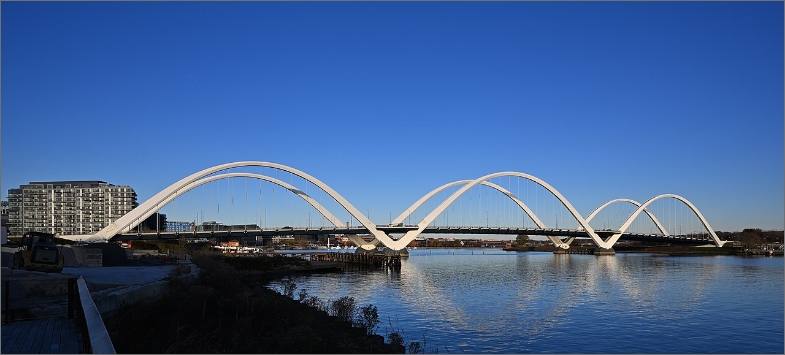
New Hampshire’s public bridge inventory includes 3,860 bridges (10 feet or greater), consisting of 2,161 State/Turnpike bridges and 1,699 Municipal/Other bridges. As of December 2024, 324 bridges (8.4%) were in poor condition and on the “Red List.” Over the last decade, the state has made measurable progress in reducing the number of Red List bridges. However, this progress is offset by an aging bridge network, increasing construction costs, and growing maintenance demands. Sustained investment and proactive asset management will be essential to maintain system reliability and prevent further deterioration.
Dams
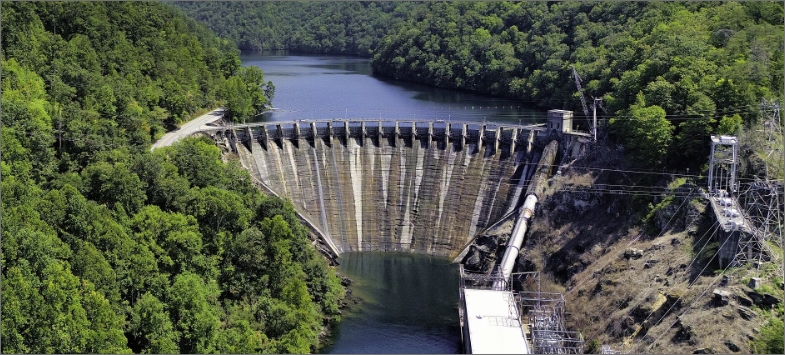
New Hampshire has approximately 2,600 state-regulated dams, the average age of which is over 100 years old. Many hazardous dams are in poor condition when evaluated using modern design criteria and performance standards. Downstream development has elevated risk and resulted in the reclassification of many dams into higher hazard categories. While recent federal investment has supported improvements at nearly 60 dams, these one-time funding infusions are not expected to continue. Most dam owners, particularly private owners, are rarely eligible for limited funding opportunities.

Drinking Water
New Hampshire’s drinking water infrastructure is aging, with many treatment facilities and distribution systems exceeding intended service life. The state has approximately 2,500 public water systems, and about 750,000 residents receive water from public systems. The state is projected to receive more than $400 million for drinking water and clean water infrastructure in fiscal years 2022 through 2026, but these resources are time-limited. PFAS and other contaminants, climate risks, and cybersecurity threats reinforce the need for sustained investment and proactive asset management.
Energy
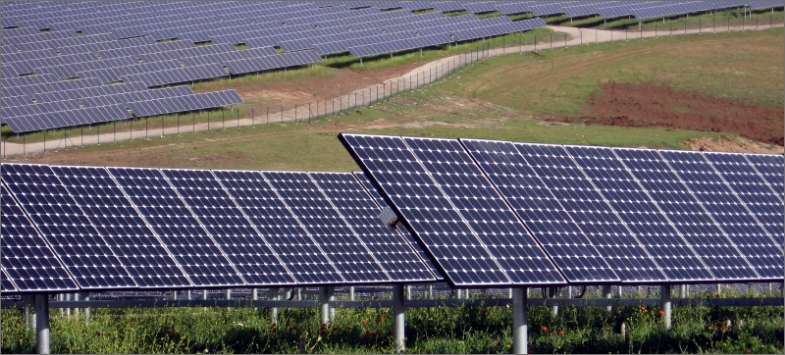
New Hampshire is part of a regional power system regulated by ISO-New England, which forecasts sufficient supply through 2033. Investments in clean energy, storage, and transmission can help mitigate risks associated with imported gas supplies and unexpected demand increases. Investments in the transmission and distribution system have improved resilience and reduced outage times. However, New Hampshire has less than 25% of the EV chargers needed to meet projected 2030 demand. Additional funding mechanisms and subsidies should be explored.
Hazardous Waste
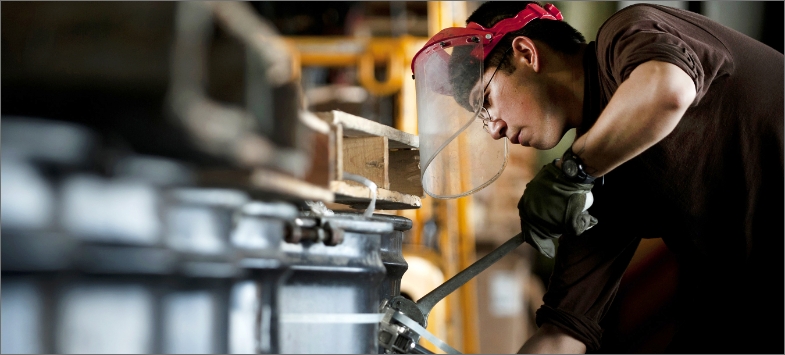
New Hampshire faces a wide range of environmental legacy concerns stemming from its industrial and manufacturing history. The state has approximately 2,200 active hazardous waste generators producing 12 million pounds of hazardous waste annually, approximately 1,100 petroleum release and remediation sites, approximately 1,600 other hazardous waste sites under investigation or remediation, 21 federal Superfund sites, and more than 360 Brownfield properties. Emerging contaminants, particularly PFAS, have added complexity and cost to environmental management efforts. Continued evaluation of fee structures, funding mechanisms, and resource allocation will be necessary to ensure sustainable oversight and timely remediation while protecting drinking water resources.
Ports
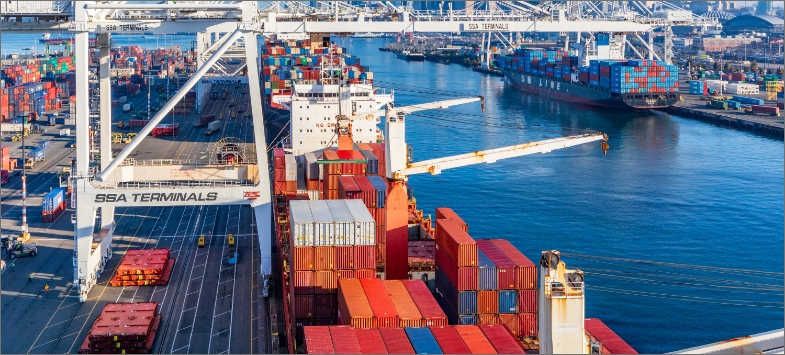
New Hampshire’s coastal port system plays a critical role in the state’s economy despite having only 13 miles of coastline. The state maintains a highly productive and economically vital maritime system, centered around Portsmouth Harbor, the state’s only deep-draft harbor, which sits on the Piscataqua River. The system supports bulk cargo movement, commercial fishing, marine construction, marine research and education, and tourism. Additional facilities at Hampton-Seabrook Harbor and Rye Harbor provide essential access for commercial and recreational users. Between 2018 and 2025, major investments improved infrastructure conditions, expanded navigational capacity, and extended the service life of key assets. Projects included rehabilitating the Market Street Marine Terminal, upgrading the Portsmouth Commercial Fish Pier, and expanding the Piscataqua River Turning Basin. Together, these investments increased capacity, revitalized port infrastructure, and fostered new opportunities. While these improvements have strengthened system performance, challenges remain. Aging infrastructure, limited upland capacity, and increasing vulnerability to coastal flooding constrain future growth. Continued investment in resilience, maintenance, and modernization will be required to sustain economic benefits and adapt to evolving demands.
Rail
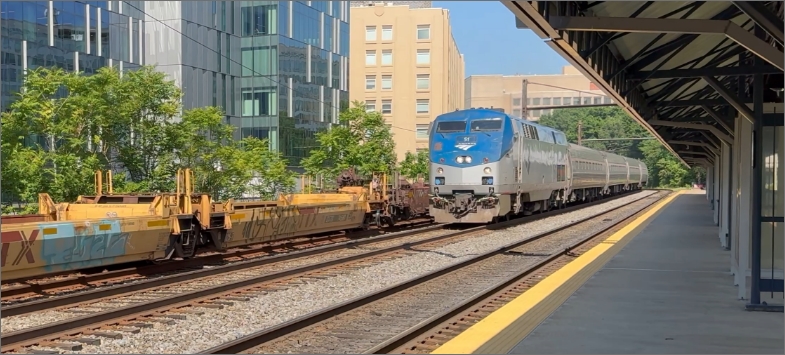
The 2026 New Hampshire State Rail Plan reports 461 miles of rail track, including publicly and privately owned within the State of New Hampshire. While primarily used for transporting freight, the state’s rail also includes two Amtrak-operated passenger services supported by the States of Maine and Vermont on selected routes and three tourist excursion railroads on trackage not currently included in the national system. Approximately 195 miles of the state’s rail track is state-owned (42% of the in-state total). The New Hampshire Department of Transportation (NHDOT) has management responsibility and leases this trackage to private (tenant) railroad operators for freight and tourist excursion railroad operations. Approximately 266 miles are owned by private railroads, with one Class 1 railroad (CSX Transportation) operating 121 miles. Ridership on Amtrak’s Downeaster and Vermonter services have recovered and are returning to pre-Covid levels. Train safety incidents in New Hampshire remain low and not related to railroad operations. On both public and private operations railroad equipment and facilities are well maintained and operated efficiently.
Roads
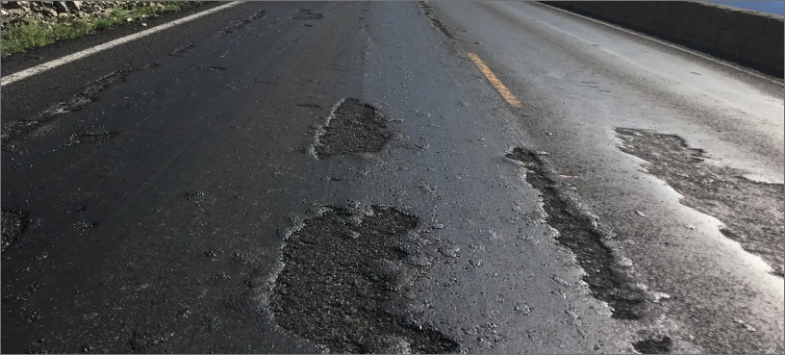
New Hampshire’s roadway system is showing measurable improvement, with 86% of the state highway system in good or fair condition, an 18% improvement over the past decade. Sustained annual investment of $60 million to $100 million has enabled the New Hampshire Department of Transportation (NHDOT) to meet or exceed condition targets across all roadway types. Strategic pavement management and prioritization have improved overall system performance. Despite this progress, funding challenges remain. Revenue sources such as the gas tax are becoming less effective due to increased fuel efficiency and adoption of alternative-fuel vehicles, while upcoming shifts in debt service obligations will further constrain available funding. Although capacity is generally adequate, safety concerns persist, including elevated traffic fatality trends. NHDOT also faces ongoing staffing challenges, with an average vacancy rate of 20–25% for several years. Maintaining current conditions and advancing performance will require continued investment, improved revenue strategies, and a focus on workforce, safety, and resilience.
Solid Waste
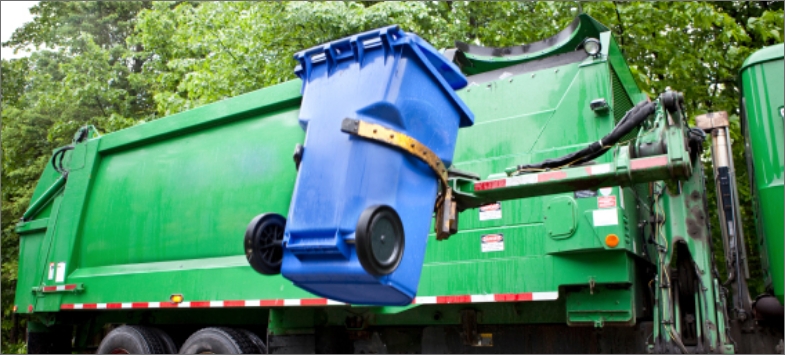
New Hampshire’s solid waste industry has remained relatively stable for the last several years. The current infrastructure is considered satisfactory as the existing facilities are required to meet or exceed applicable federal, state, and/or local regulations. However, recent estimates suggest that the current in-state disposal capacity will only sustain New Hampshire’s needs for approximately 10 years. Despite a state waste management hierarchy that prioritizes diversion, New Hampshire continues to rely heavily on disposal. The estimated recycling rate was 16.7% in 2024. The state waste disposal reduction goals seek a 25% decrease by 2030 and a 45% decrease by 2050. At present, infrastructure for waste diversion, such as recycling and organics processing facilities, is limited. Legislative efforts, including food waste disposal restrictions, represent progress but have not yet significantly shifted system performance. Projected long-term capacity shortfalls, combined with limited diversion infrastructure and policy uncertainty, highlight the need for investment, improved data collection, and stronger alignment between policy and waste reduction goals.
StormWater
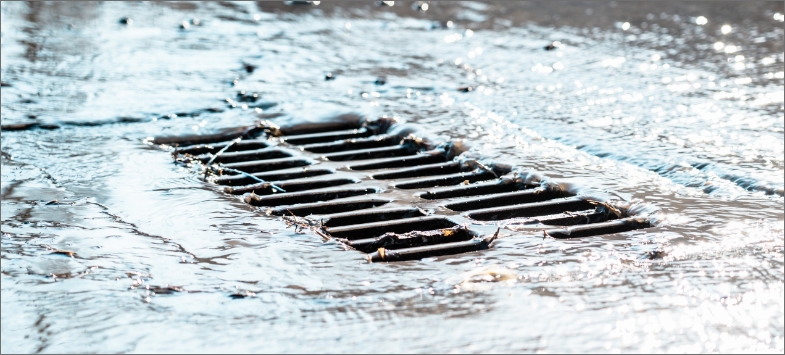
Stormwater infrastructure in New Hampshire is aging, underfunded, and increasingly strained by development pressures and more severe storm events. Many systems were constructed prior to 1970 and are approaching or exceeding their intended service life. Development expansion increases impervious surfaces and runoff volumes while raising flood risks. Communities face expanding requirements under the EPA Municipal Separate Storm Sewer System (MS4) permit program, but funding remains limited and is primarily supported through local property taxes. Unlike neighboring states, New Hampshire has no municipal stormwater utilities. The 2022 Clean Watersheds Needs Survey estimated nearly $1.3 billion in stormwater infrastructure needs to improve capacity, reduce flooding, and protect water quality. Significant investment is needed to reduce costly flooding and protect water resources that support communities, ecosystems, recreation, and local economies.
Wastewater
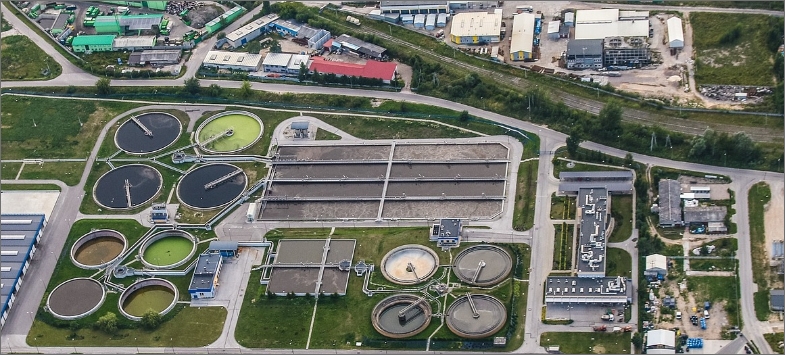
Well-functioning wastewater collection and treatment systems are critical to protecting public health and maintaining the quality of New Hampshire’s rivers, lakes, and coastal areas. Overall, New Hampshire’s wastewater systems need significant upgrades to replace aging infrastructure and comply with more stringent regulatory requirements. Limited funding assistance, workforce availability, and lack of community engagement are significant barriers to maintaining and upgrading wastewater infrastructure.
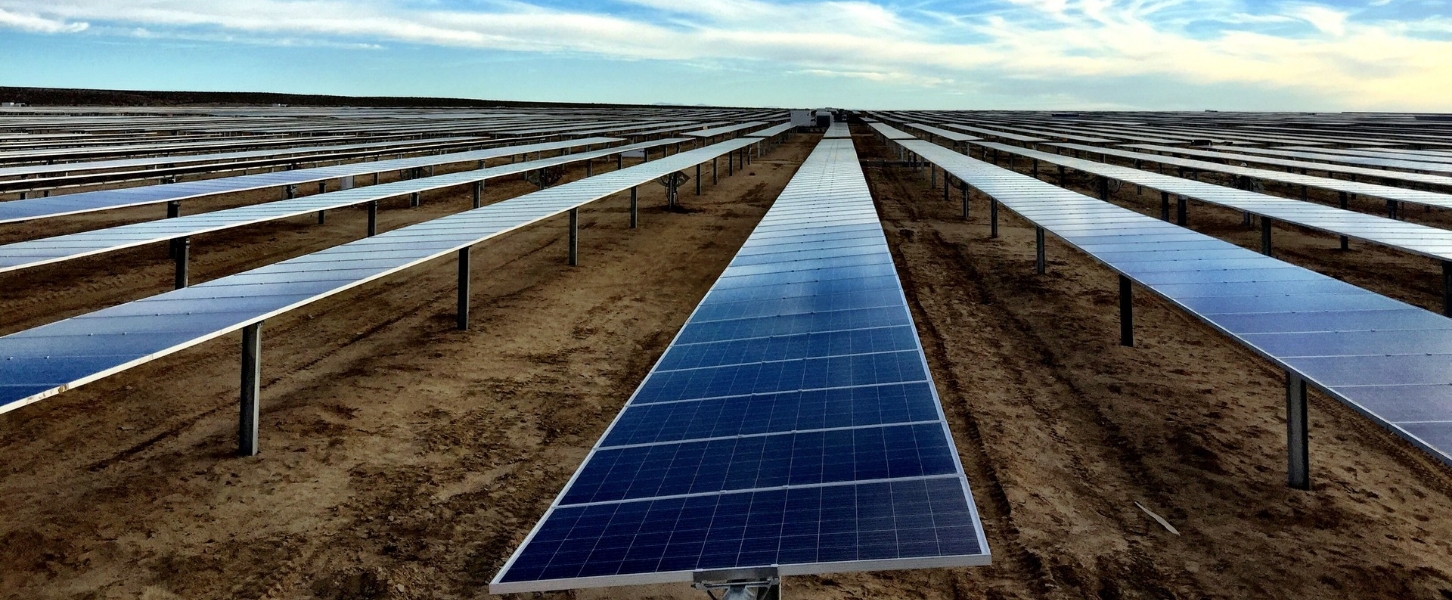
Nuclear and natural gas generation make up 80% of New Hampshire’s generation capacity with the remaining 20% made up of coal, hydroelectric and renewables.
State Fact Sheet
Download Fact Sheet
2,549
Bridges

8%
of Bridges are Deficient

162
High Hazard Dams

$7.1B
in Drinking Water Needs

3 Miles
of Levees
Protecting 417 people

34%
of Roads in poor or fair condition

$ 529.73
Motorist pays annually
due to insufficient infrastructure

3.0M
Passenger Trips on Public Transit

$12.7B
Wastewater needs

$2.3B
Total storm damage
(1980-2024)

IIJA Grants
IIJA Funding Announced
Number of IIJA Projects
General Sullivan Bridge: This $20 million award will replace the General Sullivan Bridge with a new two-girder superstructure, resulting in the reopening of the multi-use path across Little Bay and restoring a vital connection between Newington and Dover.
Manchester Transit Authority Low and No Emission Bus Award: This $20 million award will construct the first transit center in Manchester, replacing the city’s outdated facility and enabling MTA to expand transit services—resulting in a key economic investment that supports the region’s rapid growth.
City of Berlin Capital Improvements: This $19.5 million award will install a snow-melt system and rehabilitate roads, sidewalks, and municipal parking—resulting in reduced maintenance costs and improved accessibility in Downtown Berlin during the winter.

Connect with Your Legislators
Let everyone know how important it is that we continue to invest in the future of America’s infrastructure.
Take Action Today