Drinking Water
Recharging Groundwater with SWIFT
Virginia Beach, Virginia


Virginia 2026 Report


The Commonwealth of Virginia has a growing economy supported by steady population growth. Strategic investments have strengthened the state’s infrastructure, including expanding broadband access and advancing the replacement of the Long Bridge rail bottleneck in Northern Virginia. While these achievements represent meaningful progress, continued population growth is placing greater pressure on Virginia’s built environment.
The Commonwealth has made notable progress in the condition and performance of its bridges, broadband, roads, and solid waste systems, driven in part by historic state and federal investments. The Infrastructure Investment and Jobs Act (IIJA) has helped close longstanding funding gaps across Virginia’s infrastructure, providing approximately $12.6 billion for projects statewide as of January 2025. State transportation funding increased from $294 million in FY2022 to $500 million in FY2025, enabling agencies to better maintain and improve infrastructure across Virginia’s diverse landscape. These investments have accelerated critical improvements while helping position the Commonwealth to meet future infrastructure needs.
Virginia continues to face significant infrastructure challenges driven by increasingly severe weather, aging assets, and varying local capacity. In particular, more frequent extreme weather is increasing straining infrastructure systems across the Commonwealth. In recent years, Tropical Storm Ophelia produced two to four feet of storm surge, causing tidal flooding that closed roads in Norfolk, Virginia Beach, and Mathews County. In 2024, Hurricane Helene triggered flash flooding that prompted evacuations across seven counties, isolated communities, and led to more than 70 rescues, and two fatalities. Heavy rainfall has also furthered the risk of combined sewer overflows in cities such as Richmond, Lynchburg, and Alexandria, where aging systems can discharge untreated wastewater during major storms.
Virginia’s diverse geography and population distribution also create unique operational and maintenance challenges. Specifically, rural communities often lack the financial and technical resources needed to maintain aging infrastructure. To address these needs, the Virginia Office of Drinking Water funds leak detection equipment through Drinking Water State Revolving Fund set-asides, while the Virginia Rural Water Association provided 764 hours of leak detection technical assistance during the reporting period. Despite these efforts, many rural systems continue to face funding shortfalls for maintaining treatment plants, pump stations, storage tanks, and pipelines.
Significant investment needs remain across other sectors. The Commonwealth’s $5 million Dam Safety grant program for 2026 is small relative to the estimated $5.42 billion needed to rehabilitate Virginia’s dams, forcing many owners to defer critical maintenance. Similarly, the 2022 Clean Watershed Needs Survey reported approximately $45.77 billion in wastewater infrastructure needs statewide.
Recent investments have delivered measurable improvements across many sectors, but aging assets, continued population growth, increasingly frequent extreme weather, and persistent funding gaps underscore the need for sustained investment. Maintaining Virginia’s economic competitiveness, public safety, and quality of life will require a long-term commitment to preserving existing infrastructure while building more resilient systems for the future.
A: Exceptional, B: Good, C: Mediocre, D: Poor, F: Failing
Each category was evaluated on the basis of capacity, condition, funding, future need, operation and maintenance, public safety, resilience, and innovation
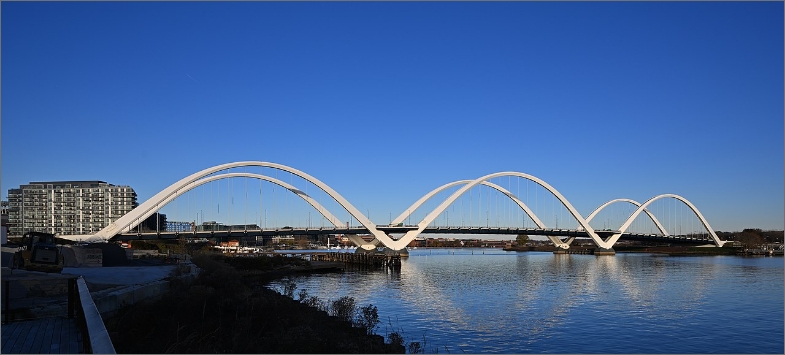

Over the last several years, Virginia has made meaningful progress on bridge conditions. Between 2020 and 2025, the total percentage of poor condition bridges dropped from 3.5% to 3.1%. In 2024 alone, the Virginia Department of Transportation (VDOT) rolled out multiple targeted initiatives for the state’s bridges, including the State of Good Repair–Bridge Program, the High-Priority Projects Program, and the Highway Construction District Grant Program. However, despite some improvement, significant challenges remain. The 2026 Six‑Year Improvement Plan allocates $2.3 billion for bridges, and when combined with other funding sources, total bridge funding rises to roughly $800 million per year, a significant gap relative to needs. Despite these constraints, Virginia stands out for how it approaches bridge maintenance and design, embracing innovative materials, advancing inspection methods, and utilizing forward looking design practices. Those innovations are helping stretch limited dollars and improve long term performance, but sustained investment will be essential to build on the progress.
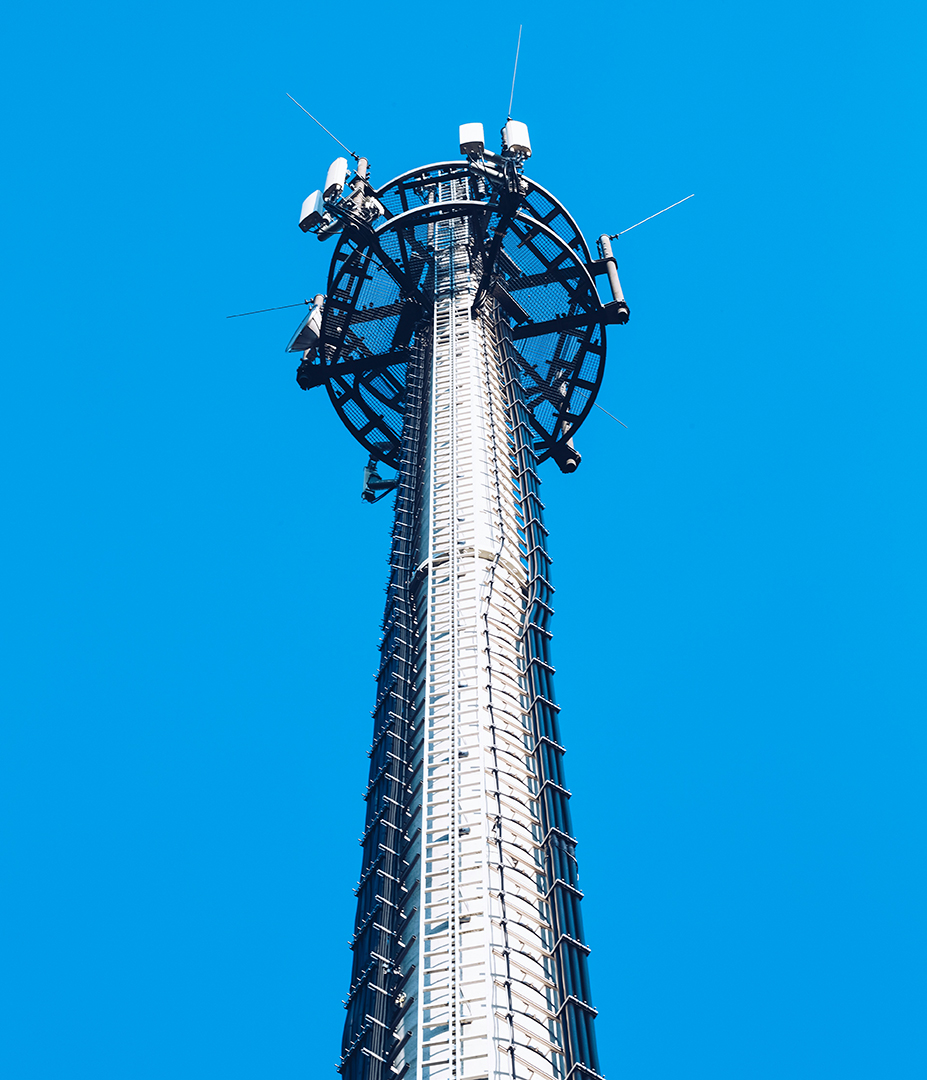
Broadband has become fundamental for Virginians, whether it is for education, work, healthcare, or even civic participation. Internet service providers (ISPs) design, construct, and maintain broadband networks to bring high-speed internet to Virginia households, businesses, and community anchor institutions (CAIs). However, many areas of rural Virginia still lack access to broadband infrastructure, as it remains significantly more challenging to build in relatively remote locations. In response, the Virginia Office of Broadband (“Office of Broadband”) has made it a priority to utilize a combination of federal and state dollars to fund broadband infrastructure deployment to unserved locations in the Commonwealth and achieve the goal of universal broadband access in Virginia. As of 2026, the Commonwealth has awarded funding to extend broadband infrastructure to more than 400,000 locations. The Office of Broadband expects Virginia to achieve universal broadband by 2030, using the Commonwealth’s $1.48 billion allocation from the Broadband Equity Access and Deployment program.
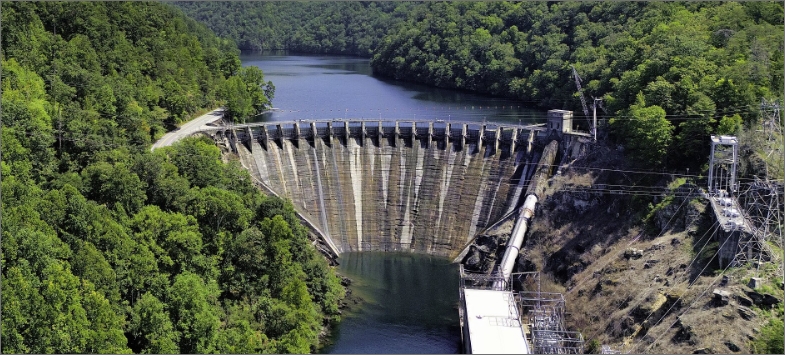
Virginia’s dam system includes about 2,712 dams, most of them small and privately owned. A substantial share of dams lacks clear documentation in the main inventories, including missing ownership, purpose, hazard classification, and condition, which makes it harder to manage risk, understand accountability, and prioritize maintenance. Furthermore, hazard classification remains uncertain for half of the portfolio; however, the share of dams with undetermined hazard potential improved from 70% in 2022 to 65% in 2026. Condition data is also limited, with roughly 68% of dams lacking a condition rating, and about 14% of rated dams in poor or unsatisfactory condition. Inspection activity has declined since 2022, with fewer than half of high-hazard-potential dams inspected since 2022 and only about 13% of all dams inspected since that time. Funding remains the dominant constraint: a $5 million grant for 2026 is insufficient relative to an estimated $5.42 billion rehabilitation need for the Commonwealth, resulting in deferred maintenance and rehabilitation, allowing deterioration to continue.

The main source of drinking water for municipal systems in Virginia is 1,780 groundwater wells. Other sources include 170 surface water intakes on lakes, reservoirs, rivers and streams.
The Commonwealth has over 2,800 community and non-community waterworks. While statewide population growth is not broadly straining drinking water infrastructure, rapid growth in some localities—particularly near Richmond—is increasing maintenance demands and affecting service reliability. Additionally, funding remains a significant challenge. Average customer rates are well-below the level typically needed to support long-term capital investment, forcing many systems to rely on municipal subsidies and state or federal grant and loan programs. While recent federal investments through the IIJA and related drinking water programs have provided important support, particularly for emerging contaminants and disadvantaged communities, aging infrastructure, affordability constraints, and a shrinking licensed operator workforce creates years-long risks for Virginia’s drinking water systems.
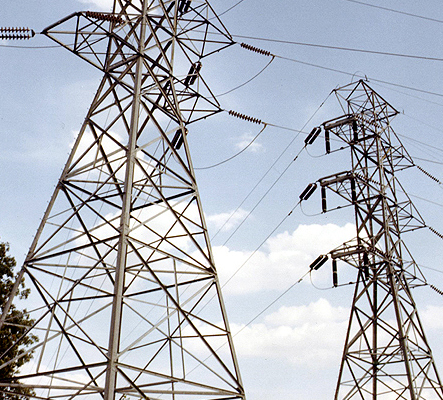
Virginia is a net energy consumer, meaning the Commonwealth consumes more energy (electric and non-electric) than it produces. In 2023, Virginia was the nation’s largest net importer of electricity among all states. With the addition of a growing data center presence and other projected demands due to increased electrification, the state is on the verge of an electricity reliability crisis. However, the state shows promise in its operation and maintenance, federal and state funding streams, and efforts to improve the resilience of the grid to combat increasingly frequent extreme weather events. The Commonwealth also boasts strong energy innovation programs, especially in new nuclear technologies. There is an urgent need to address Virginia’s capacity challenges to ensure a reliable future, which could be addressed with new grid technologies such as distributed energy resources, virtual power plants, energy storage systems, grid enhancing technologies, and modernized pricing models.

The Commonwealth of Virginia is home to a strong network of public park infrastructure, with over 17% of Virginia’s land area publicly managed by federal, state, and local governments, and nonprofits. Park districts across the Commonwealth are developing policies with dynamic, forward-thinking best practices to ensure parks serve users into the future. Despite these positive trends, Virginia parks continue to struggle with the demands of deferred and ongoing maintenance. A 2025 audit of Virginia State Parks found that deferred maintenance exceeds $350 million, a $90 million increase since previous reporting in 2021. Virginia is rich in natural resources, and its park agencies must continue to fight for needed funding to keep its resources safe and available to the public.
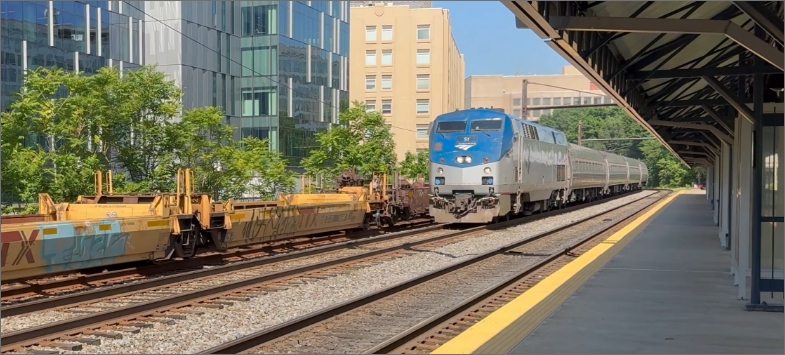
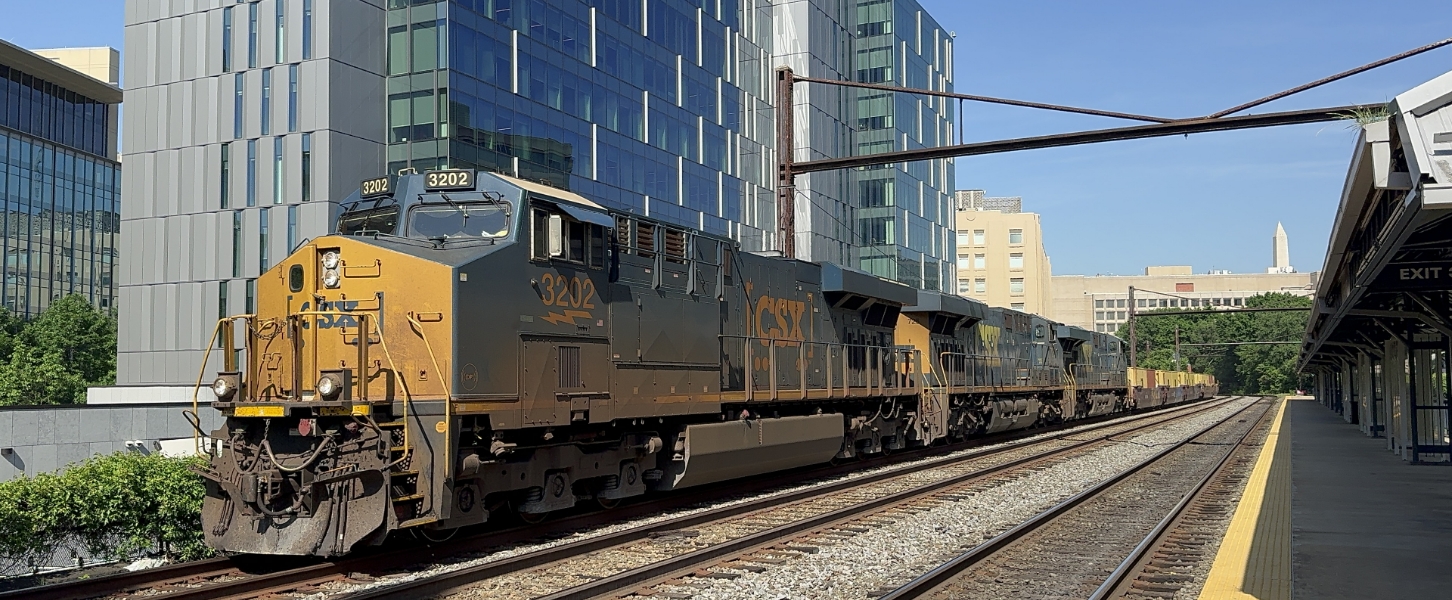
Virginia’s rail system consists of approximately 3,460 miles of track and
1,471 bridges operated by two Class I and nine Class III (short line) railroads. Passenger rail services are operated by Amtrak (intercity) and the Virginia
Railway Express (commuter). Passenger and freight rail services operate in shared
tracks, with efforts underway to separate tracks along key segments. Virginia’s freight rails moved 132 million tons in 2017 and are forecasted to move 211 million tons in 2045, a 60% increase. Virginia has introduced several rail initiatives based on factors driving
changes in the rail industry to include freight movement, population characteristics, transportation technology, the natural environment, and operational challenges. Despite a one-time influx of federal funding from the Infrastructure Investment and Jobs Act,
sustained funding will be needed to meet the goals stated in Virginia’s 2045 Vision.
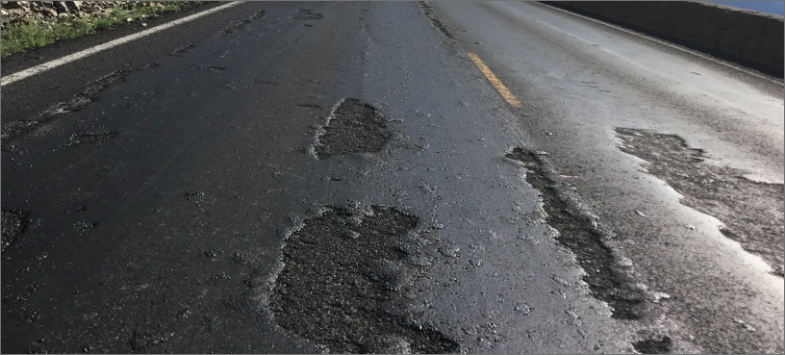
The Virginia Department of Transportation (VDOT) is responsible for the third‐largest state‐maintained highway system in the country. VDOT is a national leader in transportation asset management and has fully integrated the practice into its budgeting process and investment strategies. This has garnered positive results; the percentage of pavement condition that was in good condition rose from 48% to 51% from 2018 to 2022. 968 road users were killed in crashes on Virginia roads in 2021, a 21% jump from 796 in 2020 – despite only 8% more miles driven – and nearing Virginia’s previous peak of 1,026 in 2007. Roadway engineering to prioritize safety over speed is the most effective countermeasure. A 2020 Omnibus Transportation Bill mandates new funding for safety projects, including hundreds within the $672 million Commonwealth Transportation Board investment plan for FY2023-2028.
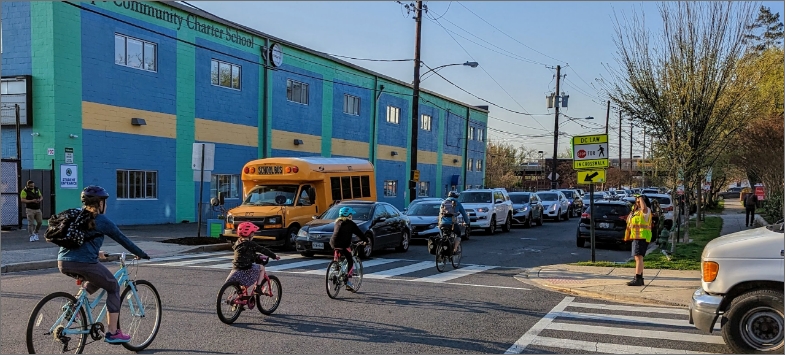
Virginia’s school infrastructure needs major modernization. Aging facilities and chronic underinvestment are widening gaps in safety, reliability, educational adequacy, and resilience. More than half of Virginia’s schoolbuildings are over 50 years old, and many still rely on HVAC, electrical, and plumbing systems beyond their expected life, leading to frequent failures, emergency repairs, and disrupted instruction. Northern Virginia divisions manage overcrowding and continued use of modular classrooms, while Southwest and Southside communities maintain oversized, aging campuses they cannot afford to modernize. Urban and coastal divisions contend with roof leaks, drainage failures, and recurrent flooding. Statewide estimates show an annual maintenance and operations shortfall of $1.11 billion and capital investment gap of $2.62 billion. Raising the grade will require a permanent state construction program, consistent statewide facility data, and broader implementation of resilient, high performance design.
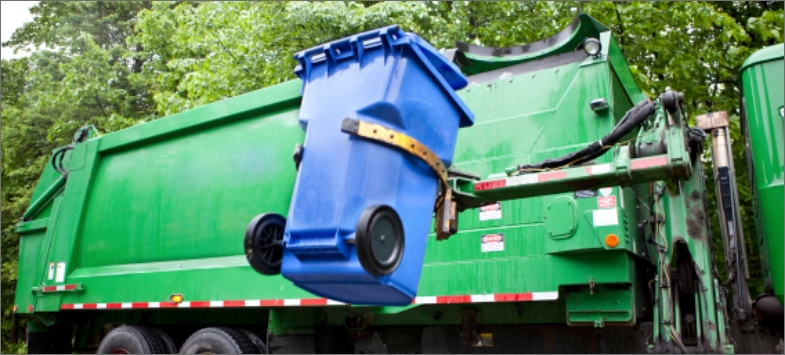
Virginia’s municipal solid waste (MSW) system provides reliable, compliant service through a mature regulatory framework, stable funding, and a professional mix of public and private operators. A statewide network of more than 200 permitted facilities supports waste management activities and provides generally sufficient near-term disposal and processing capacity. Since 2022, targeted capital investments have improved operational reliability and regional system performance, while compliance trends have improved through fewer violations and more timely corrective actions. However, Virginia’s per-capita MSW generation rate remains high at approximately 6.65 pounds per person per day, well above the U.S. average of about 4.9 pounds per person per day. Statewide diversion rates have declined, increasing pressure on disposal capacity while organics diversion infrastructure remains underdeveloped. Therefore, future priorities must include reducing waste generation, expanding markets for recyclable and organic materials, strengthening resilience to extreme events, and improving data collection and reporting to measure progress.
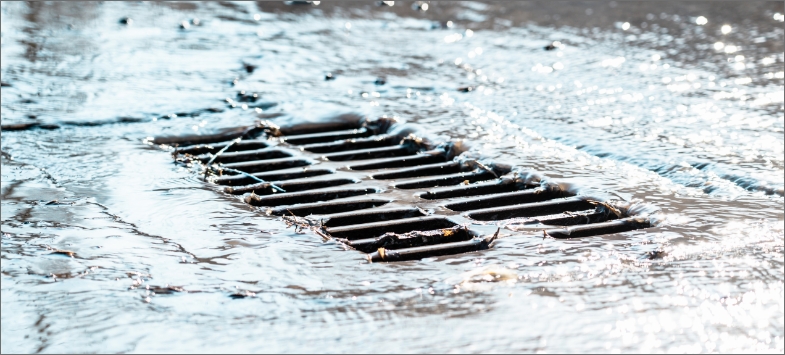
Virginia’s stormwater program continues to advance across all major performance criteria despite rising costs driven by aging infrastructure, regulatory expansion, and climate pressures. System capacity and condition assessments have improved with strengthened Municipal Separate Storm Sewer System (MS4) oversight and expanded asset tracking that enables better identification and prioritization of system needs. There has also been a broader adoption of stormwater utilities, user-based fees, and increased state and federal funding that support continued capital improvements and resilience initiatives like those in Arlington County and the Hampton Roads Area. While significant funding gaps and aging assets remain, Virginia has demonstrated measurable progress in program maturity, financial structure, and data-driven management.

Virginia’s transit agencies were significantly impacted by the COVID-19 pandemic, and ridership continues to rebound toward pre-pandemic levels, totaling 145 million trips in 2025 compared with 172 million in 2019. The Commonwealth has 41 transit agencies providing bus, rail, paratransit, ferry, and other services, but more than 1.1 million Virginians lack access to fixed-route transit. Transit asset conditions have improved since 2022, although 16% of inventoried assets have met or exceeded their useful life benchmark, and agencies continue to report funding shortages for state of good repair and future expansions. Virginia has made progress through investments such as the completion of the Silver Line, Potomac Yard Metro Station, Richmond Highway Bus Rapid Transit, and planned Alexandria Bus Rapid Transit improvements. However, safety targets remain unmet, workforce shortages challenge operations and maintenance, and flooding, hurricanes, and extreme heat threaten infrastructure. Continued investment in service coverage, state of good repair, safety, resilience, and innovation is essential.
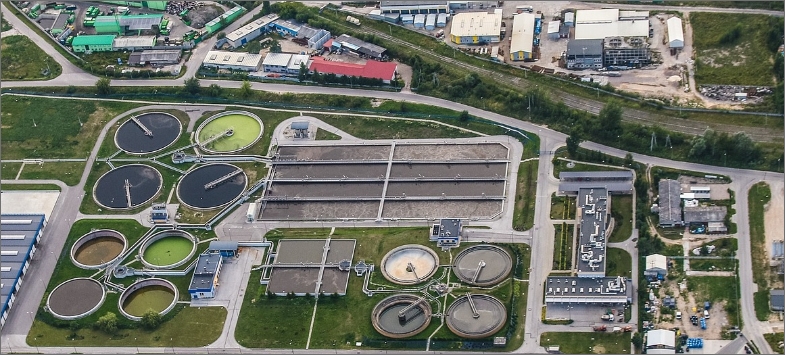
Virginia is served by approximately 584 municipal wastewater treatment facilities concentrated in urban areas, while an estimated 1.1 million rural households rely on on-site septic systems. Much of this wastewater infrastructure is nearing or exceeding its design life and is increasingly in need of repair or replacement. With a population exceeding 8.8 million and continued growth anticipated, existing systems face mounting capacity and performance pressures. Municipalities are working to comply with the Virginia State Mandate, including addressing the Commonwealth’s three remaining combined storm and wastewater collection systems, which discharge untreated sewage into waterways during heavy rainfall events. These challenges are compounded by an aging wastewater workforce and difficulties recruiting and retaining well-trained operators. Funding constraints remain a critical barrier to routine maintenance, workforce development, and capital investments needed to modernize infrastructure. Although Virginia is advancing innovative wastewater treatment approaches, increasing storm frequency and severity continue to heighten infrastructure risk statewide.

14,143
Bridges

3%
of Bridges are Deficient

438
High Hazard Dams

$23.4B
in Drinking Water Needs

16 Miles
of Levees
Protecting 21,700 people

46%
of Roads in poor or fair condition

$ 714.85
Motorist pays annually
due to insufficient infrastructure

55.7M
Passenger Trips on Public Transit

$50.0B
Wastewater needs

$25.5B
Total storm damage
(1980-2024)
IIJA Funding Announced
Number of IIJA Projects
Multimodal Bridge over the Potomac River: This $20 million award will help create a 2,300-foot bicycle-pedestrian bridge connecting Long Bridge Park in Arlington, VA, to East and West Potomac Parks in Washington, DC, expanding safe, sustainable travel options across the river.
Transforming Rail in Virginia, Phase 2: This $729 million award will expand capacity, alleviate bottlenecks, and improve reliability along 12 miles of rail between Washington, DC, and Richmond, VA, including construction of the new Long Bridge over the Potomac River to enhance passenger and freight movement.
City of Norfolk Coastal Storm Risk Management: This $399 million award will build flood protection measures in Norfolk, including storm surge barriers, pump stations, floodwalls, levees, tide gates, property elevation, and natural features like oyster reefs and living shorelines, reducing coastal flooding risks and enhancing resilience.
Smart investment will only be possible with strong leadership, decisive action, and a clear vision for our nation’s infrastructure.
If the United States is serious about achieving an infrastructure system fit for the future some specific steps must be taken, beginning with increased, long-term, consistent investment.
We must utilize new approaches, materials, and technologies to ensure our infrastructure can withstand or quickly recover from natural or man-made hazards.
Sorry, no posts matched your criteria.
Infrastructure Gets “C” Grade, Say Virginia Engineers
December 06, 2022
The Virginia Section of the American Society of Civil Engineers (ASCE) released the 2022 Report Card for Virginia’s Infrastructure on December 6, 2022. ASCE members...
 Link to Post:https://infrastructurereportcard.org/new-report-affirms-higher-gas-tax-is-needed-to-restore-our-interstates/">New Report Affirms Higher Gas Tax is Needed to Restore Our Interstates
New Report Affirms Higher Gas Tax is Needed to Restore Our Interstates
December 07, 2018
On Thursday, December 6, the National Academies of Sciences, Engineering, and Medicine, Committee for a Study of the Future Interstate Highway System, and the Transportation...
Link to Post:https://infrastructurereportcard.org/transit-woes-are-timeless/">Transit Woes are TimelessJuly 17, 2017
While all areas of infrastructure are important to address, with its “D-” grade—the lowest in the Report Card—transit would benefit from a little extra attention....
"*" indicates required fields
Let everyone know how important it is that we continue to invest in the future of America’s infrastructure.
Take Action TodaySelect your home state, and we'll let you know about upcoming legislation.
"*" indicates required fields