

2018 Report Card GPA: C-
Infrastructure supports our way of life. Our roads enable us to get to work, our aviation infrastructure allows us to take vacations, our freight infrastructure brings us our goods, and our drinking water infrastructure lets us lead healthy lives. For many years, we made investments to support these systems. Unfortunately in recent years, there has been a trend of underinvestment in infrastructure that threatens our competitive advantage and the health, safety, and welfare of our citizens. The time to prioritize our transportation and water infrastructure has come.
As civil engineers, our job is to plan, design, construct, and maintain our infrastructure networks. The 2018 Report Card for Missouri’s Infrastructure is designed to translate our expertise into a guide to help our fellow citizens understand the state of our infrastructure. The Report Card provides a snapshot for residents and policymakers to engage in conversation about where we are and where we need to be for the continued economic success of the state. We hope that this information provides the insight needed to start that conversation and ignite action.
Click here to read the 2018 Report Card for Missouri’s Infrastructure executive summary.
-
Explore Missouri
- Grades
- State Fact Sheet
- IIJA Grants
Missouri Infrastructure Grades
A: Exceptional, B: Good, C: Mediocre, D: Poor, F: Failing
Each category was evaluated on the basis of capacity, condition, funding, future need, operation and maintenance, public safety, resilience, and innovation

Aviation
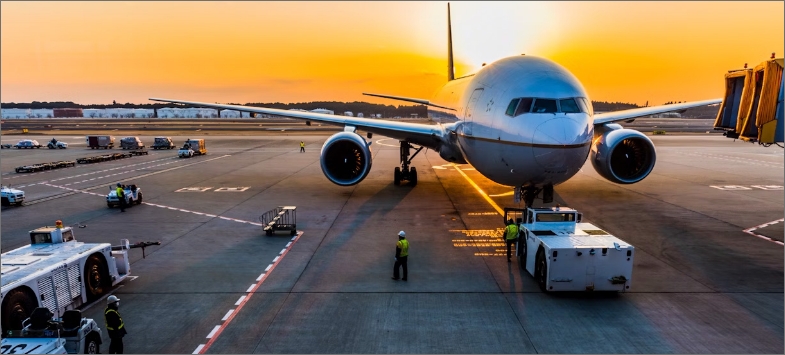
Missouri is home to nearly 500 aviation facilities, including Kansas City International Airport (MCI) and St. Louis Lambert International Airport (STL). In 2017, MCI reported over 11.5 million passengers and was ranked the 39th busiest airport by enplanements and STL reported over 14.7 million passengers and was ranked, the 32nd busiest airport by enplanements. MCI’s 2009-2025 Airport Master Plan estimated an annual growth rate of 2.8% and shows the existing runway system should be fully capable of meeting demand during this period. STL’s airport passenger rate grew 5.5%, airplane operations grew 3.1%, and air cargo grew 2.4% in 2017. Both airports have identified needed projects and are working to secure funds to make them a reality. For example, in 2017 the City of Kansas City, MO, voted to approve private financing for the construction of a modern, single terminal to replace the existing three terminals.
Bridges
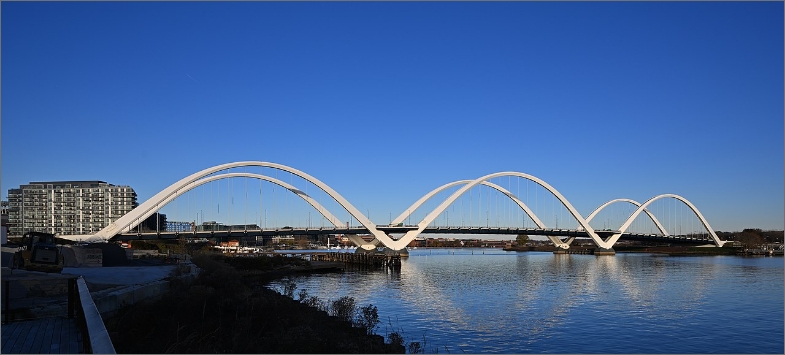
Missouri has the seventh largest number of bridges nationwide, yet must maintain its inventory with funding from just the fourth lowest gasoline tax in the country. Not surprisingly, the condition of the statewide inventory lags somewhat behind the national average. 12.5% of bridges in Missouri are structurally deficient, compared with 8.9% of bridges nationwide. Fortunately, the situation is improving. Over the last 10 years, the Missouri Department of Transportation (MoDOT) has directed available funding to its “Safe and Sound” bridge program, which replaced over 800 bridges from 2009 to 2013. While recent focused e¢orts by MoDOT and other agencies are helping to maintain the status quo, significant challenges remain ahead due to the inability to identify a funding source that is amenable to Missouri citizens. The state has identified 4,800 bridges that need repairs, totaling an estimated $4.2 billion.
Dams
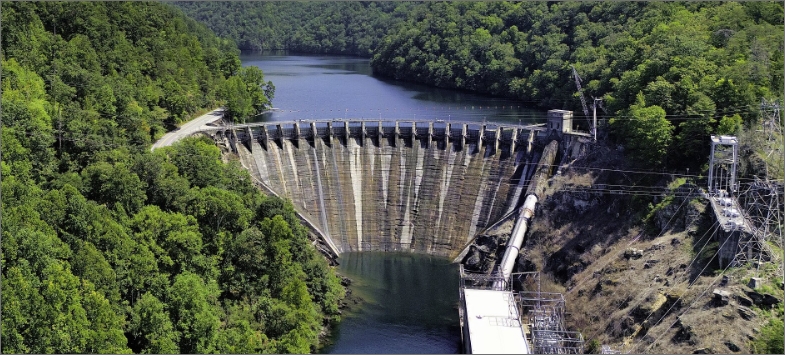
Missouri’s approximately 5,529 dams help the state meet its agricultural, recreational, stormwater management, water supply, and commercial needs. As of July 2017, an estimated 4,624 of dams in the state, or 84% of total structures, were unregulated and their condition not reported to the state. Many of these unregulated structures are small agricultural dams and their failure would be of little consequence. However, due to legislative exemptions, an estimated 1,123 dams in Missouri earning a High Hazard Potential (HHP) or Significant Hazard Potential (SHP) rating are unregulated and their physical condition unknown to the state. A HHP rating indicates that should the dam fail, there is the potential for significant loss of life and property; a SHP rating indicates a potential for significant loss of property. These 1,123 unregulated HHP/SHP dams account for 68% of the total HHP/SHP dams in the state. Because they are unregulated, the condition of these dams is unknown, raising serious safety concerns.

Drinking Water
Missourians benefit from well managed and operated private and public water utilities. Unfortunately, these utilities have difficulty securing additional sources of funding and financing due to onerous state requirements that require voter approval to raise new revenue and issue general obligation bonds. As a result, investment in drinking water infrastructure continues to be insufficient, resulting in systems that are plagued with service interruption from main breaks, microbial contamination, and inadequate capacity. The City of Kansas City experienced a record 1,844 main breaks in 2012, and St. Louis is facing similar issues with an average water main age of 55 to 65 years. The Environmental Protection Agency estimated in 2011 that the 20-year Missouri water infrastructure needs were $8.5 billion. Improved planning, reduced regulatory impediments, and increased funding are vital if Missouri is to maintain present facilities and ensure safe and reliable water supplies for future generations.
Energy
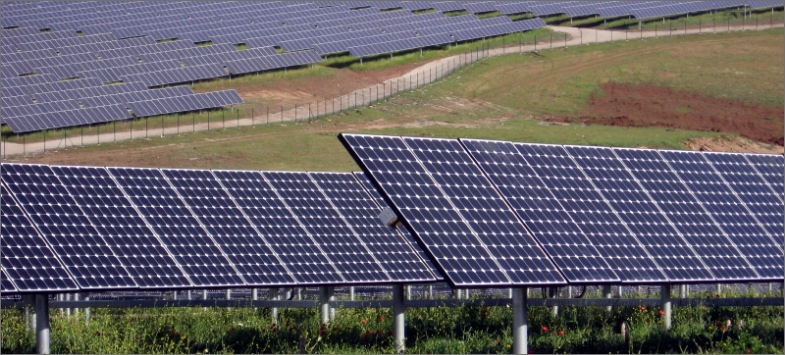
Approximately 79% of the energy in Missouri is produced by coal power plants with another 12% being provided through nuclear energy. The remainder of Missouri’s energy needs are met through natural gas, hydroelectric, solar, and wind generation. Aging infrastructure and government regulation continue to be major drivers of large expenditures for both the power plants and in the distribution system. While the retail price of electricity in Missouri is below the national average for all end-users, over the past 10 years state electricity rates have risen faster than every other state, but four. Additionally, permitting and siting issues continue to threaten planned high-voltage transmission lines as well as oil and gas pipelines.
Inland Waterways
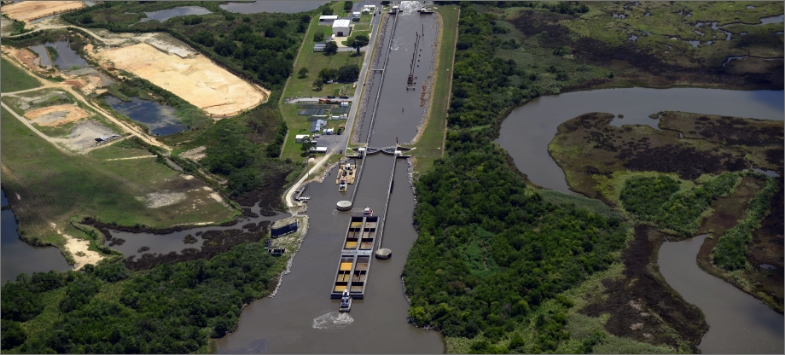
The State of Missouri has over 1,050 miles of navigable waterways positioned on the Missouri, and the Upper Mississippi rivers, ranking it 10th in the nation in terms of mileage. Funding shortfalls to repair and replace locks and dams on the Mississippi River are common, and Congressional appropriations are inconsistent. This causes delays in maintenance dredging, often leads to an increase in unscheduled delays at the locks, and frequently results in costly emergency funds serving as a major source of revenue for needed repairs. In fact, in fiscal year 2016 alone, the USACE allocated $1.6 million in emergency lock repairs for the St. Louis District. On the Mississippi River, shippers also must contend with five locks with 600-foot chambers. Unlike 1,200-foot chambers, which allow for a 15-barge tow to navigate through e.ciently, 600-foot chambers require a barge tow to break up to navigate through the lock, thereby increasing the time and cost to move goods.
Levees
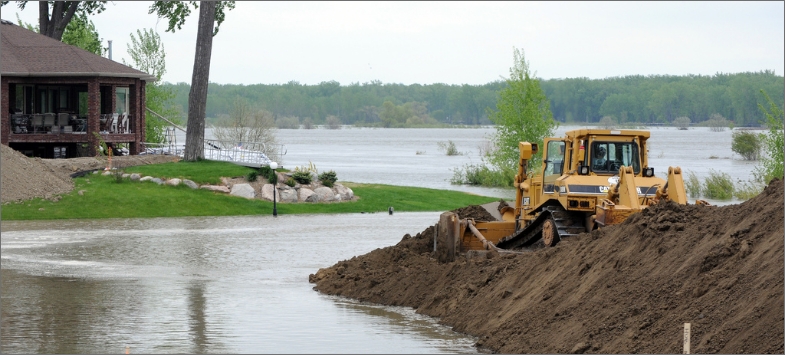
Over the past five years, levees in Missouri have undergone increased inspection, repair, and capital improvements. The structures that are being inspected are in fair condition. However, there has been a piecemeal approach to capital improvements, with some levees being raised while neighboring levees are unchanged, resulting in an increased risk of flooding in the neighboring areas. Additionally, coordination between levee districts is lacking, and people and property remain vulnerable to flooding. While the U.S. Army Corps of Engineers and the Missouri State Risk Management Team are raising awareness and developing flood hazard identification maps, funding is insufficient to comprehensively mitigate flood risks. Funding of the National Levee Safety Initiative could help close the gap on levee inspections.
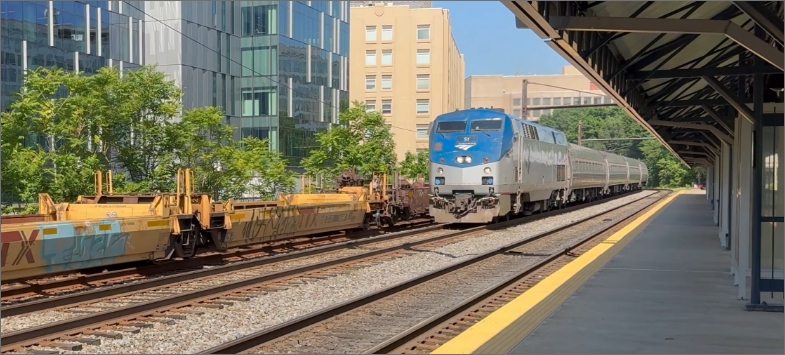
Rail
Given Missouri’s location at the center of the country, the state is an important crossroads for goods and people, and the railroad infrastructure that facilitates these movements is vital. Utilization of rail is forecasted to grow; the 2012 Missouri State Rail Plan estimates a more than 30% increase in freight tract along a majority of the state’s rail corridors through 2031. Class I railroads are planning accordingly. From 2016-2017, Union Pacific and Burlington Northern Santa Fe Railroad spent approximately $49 million and $140 million respectively on maintenance, increasing operating efficiencies, and safety enhancements. While much of the freight system is privately funded and maintained, the passenger system relies on public funds. Missouri should continue to aggressively pursue all avenues available to implement proposed rail improvements identified in the State Rail Plan.
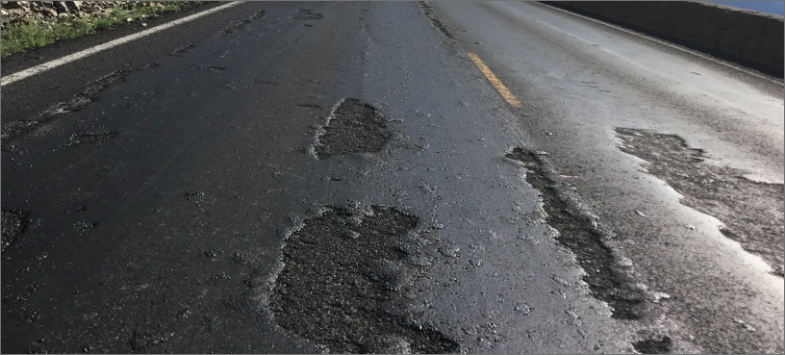
Roads
Missouri’s roughly 34,000 mile highway network, the 7th largest in the country, plays a critical role in the state’s economic growth, traveler efficiency, and the quality of life of its citizens. In recent years, MoDOT has been able to fund and deliver roadway pavement maintenance improvements, significantly improving road surface conditions throughout the state’s transportation system. However, the state motor fuel tax has not increased since 1996, and Missouri ranks 4th lowest in state gas tax and 47th overall in revenue per mile. Due to inflation and rising construction costs, the 17-cent tax now equates to eight cents in purchasing power. Missouri only spends 43% of the national average on operations and maintenance per state-controlled mile. Without action in the state legislature, funding constraints are anticipated to continue, leaving Missouri’s ability to sustainably fund future roadway maintenance and improvement projects in jeopardy. Meanwhile, residents spend $604 annually per motorist in extra vehicle repairs and operating costs, compared with $533 per driver nationwide. A long-term revenue stream for transportation must be identified in order to improve Missouri’s economic competitiveness and keep residents safe.
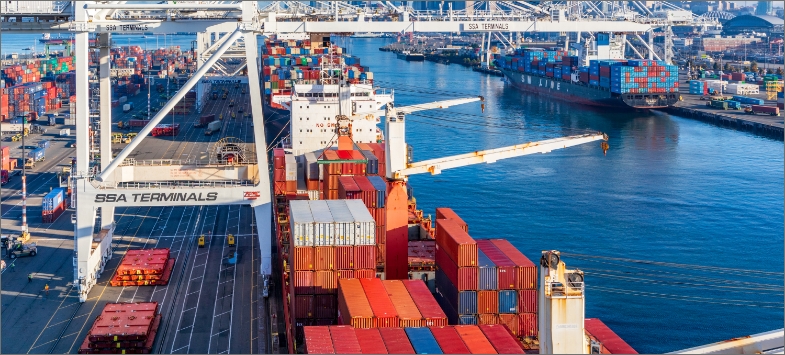
Ports
The State of Missouri has a good port system with connections to much of the state’s expansive freight network. MoDOT recently conducted an economic impact analysis, which showed that nearly four million tons of freight was shipped through the state’s public ports in 2016 alone, equating to a 78% increase since 2011. Ports in Missouri have sufficient capacity to accommodate this growth and adequate access to the Interstate Highway System, Class I railroads, and major utility services. However, funding for capital projects and regular operation and maintenance continue to be a challenge. In recent years, funding for ports decreased from $6 million to $4 million. Alternative revenue streams, grants from federal programs, and innovative financing should continue to be perused in order to prepare for the 26.9% increase in waterway freight that is anticipated by 2030.
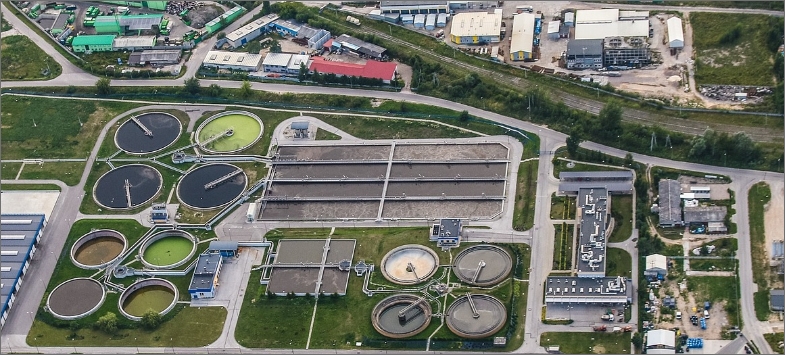
Wastewater/Storm Water
Wastewater and stormwater systems are made up of four components: collection, conveyance, treatment, and discharge. Regular investment in, and maintenance of, these systems is critical to protecting public health through prevention of untreated sewer overflows into Missouri’s surface waters. The average age of this infrastructure throughout large municipalities and small towns in Missouri is approaching the end of its expected life, resulting in increased frequency of leaks and failures within sewer systems. Fortunately, many municipalities are innovating and investing. The Metropolitan Sewer District of St. Louis is currently working to implement $4.7 billion in improvements over 23 years. In Kansas City, improvements totaling $2.5 billion will be completed over 25 years and the city is leading the nation in green infrastructure innovations. However, more is needed; a 2012 assessment by the Missouri Department of Natural Resouces (MDNR) and the Environmental Protection Agency (EPA) estimated that $9.6 billion would be needed to address Missouri’s wastewater and stormwater infrastructure needs over the next 30 years
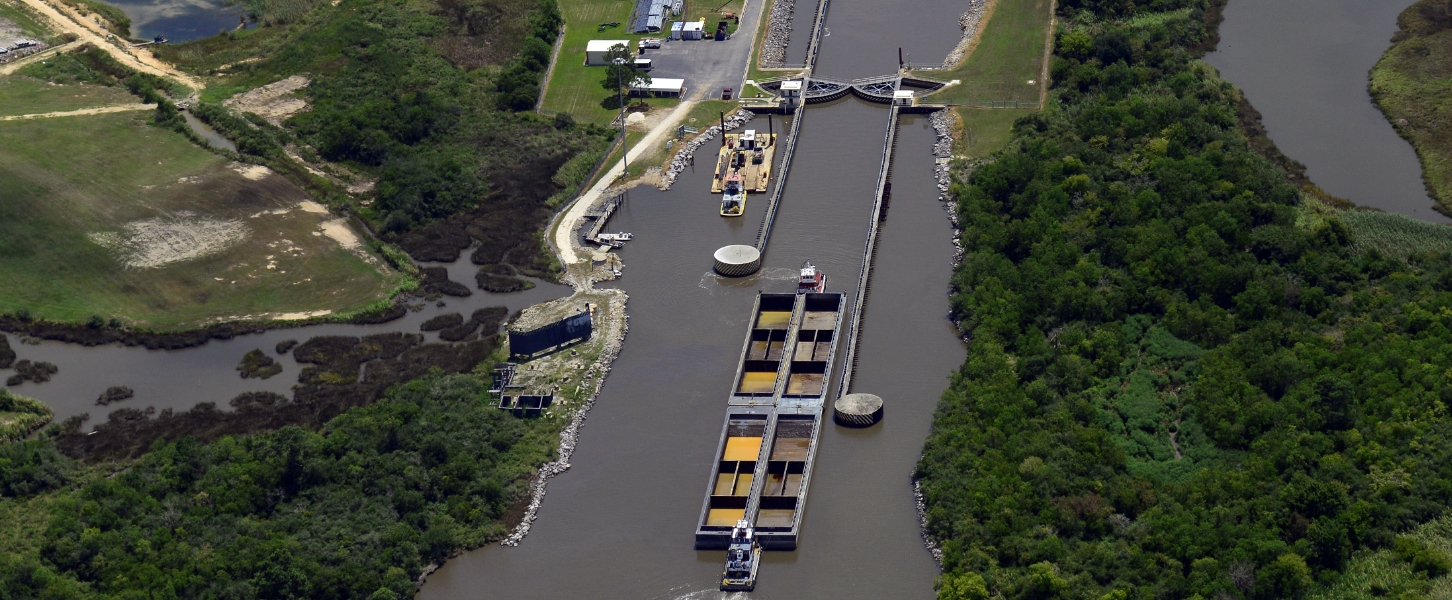
The State of Missouri has over 1,050 miles of navigable waterways positioned on the Missouri, and the Upper Mississippi rivers, ranking it 10th in the nation in terms of mileage.
State Fact Sheet
Download Fact Sheet
24,647
Bridges

9%
of Bridges are Deficient

1478
High Hazard Dams

$27.6B
in Drinking Water Needs

2263 Miles
of Levees
Protecting 337,000 people

54%
of Roads in poor or fair condition

$ 998
Motorist pays annually
due to insufficient infrastructure

38.9M
Passenger Trips on Public Transit

$30.7B
Wastewater needs

$60.4B
Total storm damage
(1980-2024)
IIJA Grants
IIJA Funding Announced
Number of IIJA Projects
Upper Mississippi River System Investments: This $829 million award will build a new 1,200-foot lock and modernize existing locks and dams along the Upper Mississippi River System, resulting in stronger supply chains and improved movement of critical goods like grain.
Improve I-70 Program: This $92 million award will reconstruct 191 miles of I-70 across Missouri, resulting in enhanced safety and efficiency through new truck parking facilities, ITS upgrades, wildlife crossings, pollinator habitat conservation, and added features like broadband infrastructure, solar panels, and smart work zone systems, while supporting workforce programs for disadvantaged communities.
Excelsior Springs Capital Improvements: This $21 million award will rebuild approximately 2 miles of streets with new curbs, gutters, and storm drainage, resulting in improved infrastructure and added sidewalks and trails along US 69 to enhance connectivity and active transportation options.

Connect with Your Legislators
Let everyone know how important it is that we continue to invest in the future of America’s infrastructure.
Take Action Today