


2026 Arizona Infrastructure Report Card
2026 Report Card GPA: C
The Arizona Section of the American Society of Civil Engineers (ASCE) has released its 2026 Report Card for Arizona’s Infrastructure, assessing eleven infrastructure areas: aviation, bridges, dams, drinking water, energy, levees, rail, roads, stormwater, transit, and wastewater. Arizona’s infrastructure earned an overall grade of C, the same grade as the prior report card in 2020, indicative of infrastructure in mediocre condition that requires attention.
Arizona continues to experience rapid population growth, with projections indicating a 26% increase between 2026 and 2060. Much of this growth is driven by the expanding technology sector in Phoenix, the nation’s fifth-largest city. However, across Arizona, critical infrastructure has not kept pace with increasing demand. Transportation, water, housing, and public service systems face significant unmet needs; challenges that are further compounded by persistent funding shortfalls across sectors. Additionally, a changing climate is greatly affecting the state with more high temperature days, increased wildfires, prolonged drought, and more intense storms resulting in flooding and erosion. Arizona’s continued growth, coupled with the increasing frequency and intensity of extreme weather events, underscores the need for enhanced investment in infrastructure capacity, resilience, adaptation, and long-term sustainability.
The Infrastructure Investment and Jobs Act (IIJA) had helped closing gaps identified prior to 2021, by providing over $11 billion to projects statewide as of January 2025. However, state transportation revenues are not expected to cover future needs, with an expected gap of over $162 billion by 2050. Similarly, drinking water infrastructure needs are expected to exceed $12 billion over the next 20 years due to Colorado River shortages, accelerated groundwater depletion, and new federal standards for per- and polyfluoroalkyl substances (PFAS). These funding issues do not end with transportation and drinking water; these issues persist within dams, levees, bridges, transit, aviation, and stormwater sectors as well. Without significant new investments and funding solutions, Arizona’s infrastructure systems will struggle to meet the demands of a rapidly growing population and economy in the decades ahead.
-
Explore Arizona
- Grades
- State Fact Sheet
- IIJA Grants
Arizona Infrastructure Grades
A: Exceptional, B: Good, C: Mediocre, D: Poor, F: Failing
Each category was evaluated on the basis of capacity, condition, funding, future need, operation and maintenance, public safety, resilience, and innovation

Aviation
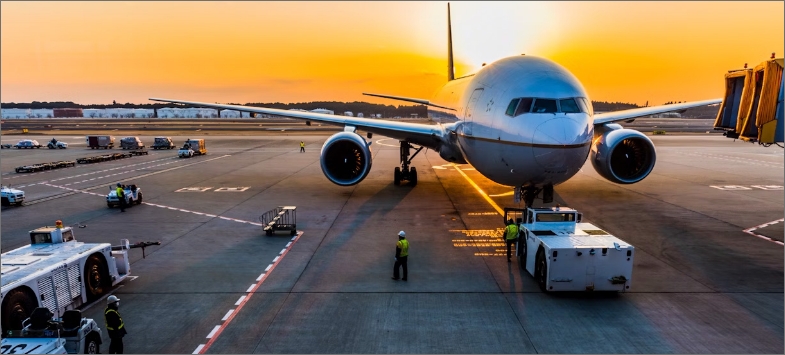
Aviation is a major driver of Arizona’s economy. The industry supports 19% of all jobs and 22% of wages statewide, totaling $34.2 billion. In 2019, airports contributed $33.0 billion—10.2% of the state’s gross product—and generated $121.4 billion in total economic activity, a 215% increase since 2002. The Infrastructure Investment and Jobs Act (IIJA) provided substantial funding for Arizona airports, including $351.2 million in Airport Infrastructure Grants, nearly $87.5 million for terminal projects, and $2.2 million for FAA contract towers through Fiscal Year 2025. Airport pavement conditions also improved, with runways rated Pavement Condition Index (PCI) 70 or higher increasing from 54% in 2018 to 81% in 2021 due to the Arizona Department of Transportation’s (ADOT) Airport Pavement Preservation Program. However, the average PCI declined slightly from 72 to 70 between 2021 and 2025. Arizona airports are projected to need about $891 million in federal funding through 2030, with roughly half required by its three largest airports.
Bridges
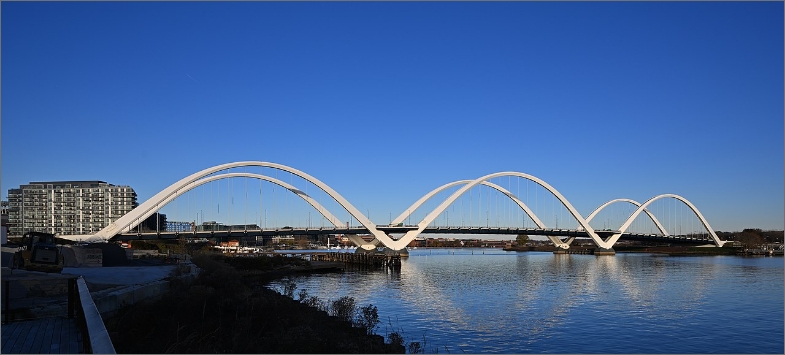
Arizona relies on a network of 8,587 bridges that collectively span over 64.5 million square feet and support over 100 million crossings each day. The Arizona Department of Transportation (ADOT), along with other bridge owners, demonstrates strong stewardship in maintaining this infrastructure. As of 2025, only 137 bridges—just 1.6% of bridges in Arizona—were classified in poor condition. This number is unchanged since 2019, but well below the national average of 6.8%. However, underlying needs remain substantial. ADOT has identified 1,632 bridges in need of repair or rehabilitation, with an estimated cost of $1.46 billion. While this marks progress from 1,789 bridges in need of repair in 2019, the existing backlog and rising construction costs present a long-term funding challenge. Looking ahead, Arizona must confront the growing pressures of aging infrastructure, rapid population growth, and increasingly extreme climate conditions—all of which pose risks to the resilience of its surface transportation network and the sustainability of its funding sources.
Dams
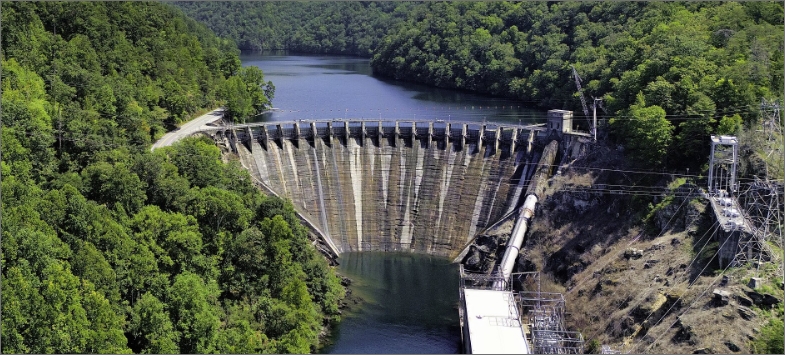
There are 380 dams in Arizona listed in the National Inventory of Dams (NID), of which 166 are high hazard dams. Regular dam inspections and condition assessments are critical for public safety. In Arizona, 64% (106) of high-hazard dams have documented condition ratings, with about 73% deemed satisfactory. However, as of 2025, 12% of these high-hazard dams remain in poor condition. In Arizona, the responsibility for the safe operation and maintenance of dams lies with the dam owners, whether state regulated or federally regulated. The Association of State Dam Safety Officials (ASDSO) estimated in 2025 that rehabilitation of non-federal dams in Arizona will cost $460 million. Although there are multiple federal funding streams for dam repairs, the federal resources are insufficient to fully support needed maintenance, repair, and rehabilitation of aging dams in Arizona.

Drinking Water
Every Arizonan depends on safe, reliable drinking water. Between 2020 and 2025, the state grew by nearly 400,000 residents to reach 7.6 million residents, and it continues to rank among the fastest growing states nationally. Unfortunately, while the state population booms, many challenges remain. Water shortages with the Colorado River, accelerating groundwater depletion outside Active Management Areas, and new federal standards for per- and polyfluoroalkyl substances (PFAS) are driving substantial new investment needs. The Environmental Protection Agency (EPA) estimates more than $12 billion in drinking water infrastructure needs statewide over the next 20 years, not including tribal systems. Arizona’s larger utilities are responding with asset management, financing, and innovative water supply programs, but many small and rural systems remain financially and technically constrained. At the same time, the state has seen strong performance in urban centers, real progress on reuse and conservation, and persistent gaps in rural infrastructure, workforce, and funding.
Energy
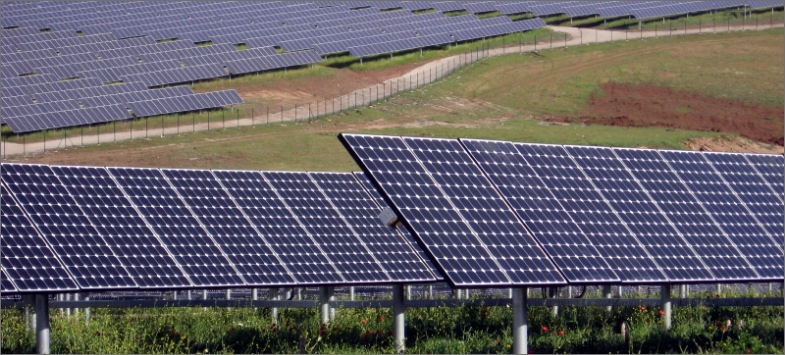
Arizona’s energy infrastructure is defined by strong electricity generation capacity, growing renewable resources, and nationally significant assets such as the Palo Verde Nuclear Generating Station. The state now produces more electricity than it consumes, allowing it to continue exporting power to neighboring states. However, aging infrastructure, rising demand, and weather events present ongoing challenges. Natural gas remains a reliable primary fuel for electricity generation, making up 45% of all electricity generation, supported by an extensive pipeline network. Renewable resources, particularly solar, make up 13% of electricity generated. Population growth, rapid industrial expansion, and the surge in data centers are placing new strains on the grid. There is a strong need for modernized systems, expanded storage, sustainability and resilience-focused investments. Ongoing investments, such as the $2 billion in annual Arizona Public Service utility spending and the $183 million dollars in recent federal grid resilience grants are necessary to the Arizona energy sector moving forward. If the state continues to focus on upgrading aging assets, strengthening reliability, supporting innovation, and aligning funding with future needs, Arizona is well positioned to maintain a secure, adaptable, and sustainable energy system for decades to come.
Levees
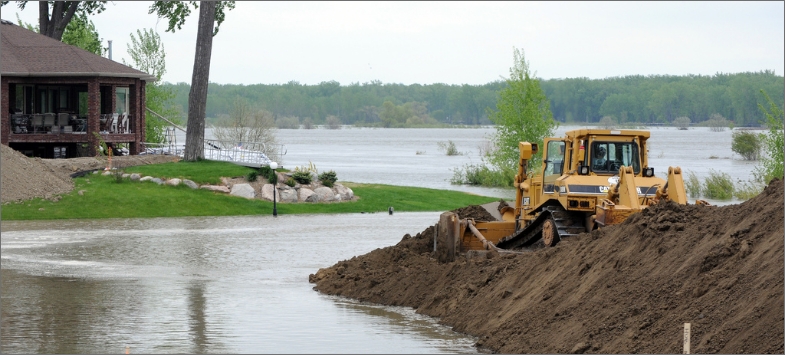
Levees are a critical part of Arizona’s flood risk management system, protecting hundreds of thousands of residents and tens of billions of dollars in assets. Since 2020, the state has made progress inventorying levees, advancing risk-informed planning, and securing federal funding, including through the Infrastructure Investment and Jobs Act (IIJA). However, significant gaps persist in system-wide condition assessment, long-term funding, and coordinated management across jurisdictions. Arizona’s levee portfolio continues to age, with most systems between 35 and 60-years in service life. Furthermore, development continues to expand in areas protected by levees, while shifting and uncertain future hydrologic conditions increase risk exposure. Despite notable investments in urban areas, particularly in Maricopa and Pima Counties, most levees remain under local or regional ownership with limited dedicated funding for inspection, maintenance, and rehabilitation. Without accelerated investment, an improved inventory and assessment system, and stronger statewide coordination, Arizona’s levee systems will face increasing risk of failure, threatening public safety, economic stability, and community resilience.
Rail
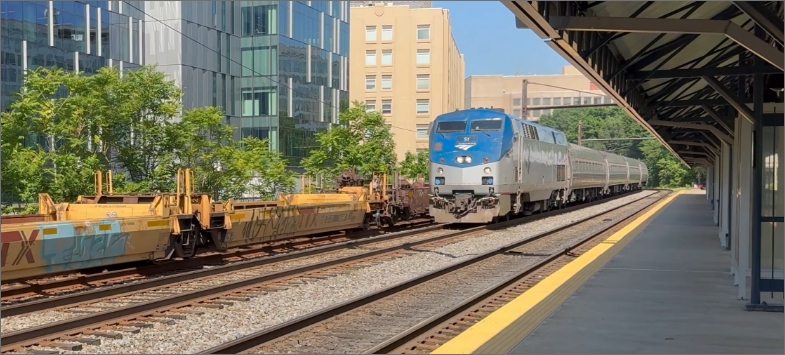
Arizona’s rail system consists of Class I and III railroads, Amtrak, and rail services designed for tourists, totaling 1,730 miles of freight rail track, and 65 miles of excursion rail track. Tracks are inspected regularly, though condition data is sparse since most of the state’s track is privately owned. Passenger rail and freight rail demand has increased over the past five years, with significant investments being made to meet these demands. In recent years, the Federal Railroad Administration (FRA) has made notable investments in Arizona’s rail infrastructure including $60.2 million allocated for passenger rail accessibility and efficiency improvements in 2024 and $46 million set aside for railroad crossing safety improvements in early 2025. However, future federal funding is currently unknown, making investments in rail uncertain, and potentially reliant on private railroad companies.
Roads
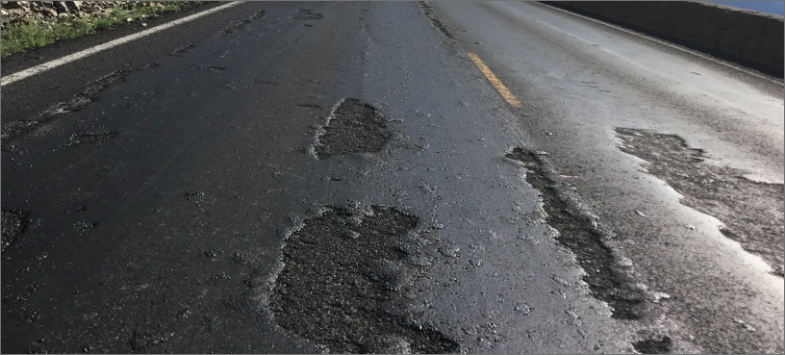
Arizona’s roadway network reflects a system under pressure. While the Arizona Department of Transportation (ADOT) is leading the way and partnering with the state’s towns, cities, counties and metropolitan planning organizations to deliver critical project bridge rehabilitations, resurfacing, and lane additions, these efforts address only a fraction of the backlog. Many rural and urban segments continue to experience pavement distress, rutting, and cracking. Growth in the Phoenix metro area and in major cities continues to outpace roadway capacity, while routine maintenance lags behind needs. Seasonal closures and weather-driven disruptions continue to affect high-country routes, underscoring the need for resilient design. Arizona’s projected funding gap is estimated to be $162 billion by 2050 and the state will require a more aggressive pavement preservation program to prevent further decline. Without increased investment, more roadways will fall into “poor” condition, raising future rehabilitation costs. Finally, fatality rates exceed the national average due to outdated geometrics, limited shoulders, and insufficient access management, reinforcing the need for targeted safety investments.
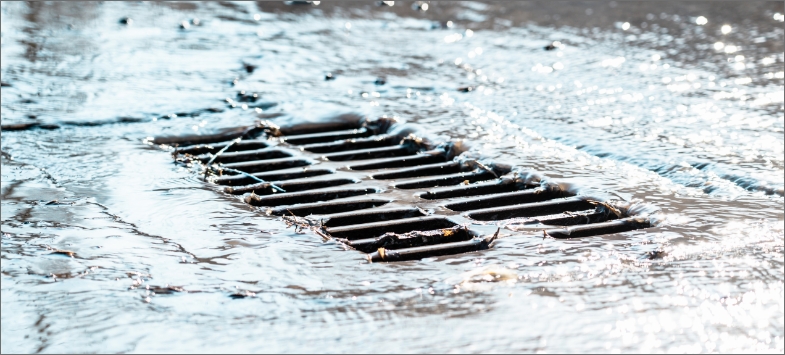
Stormwater
Arizona’s stormwater infrastructure plays a critical role in mitigating flash flooding risks intensified by monsoon storms, wildfire burn scars, and rapid urbanization. While Municipal Separate Storm Sewer Systems (MS4) generally meet modern design standards, rural and tribal areas face capacity, funding, and implementation challenges. Recent budget cuts, including the reduction of Water Infrastructure Finance Authority (WIFA) funds, highlight the urgent need for sustainable financing mechanisms such as stormwater utility fees and regional cost-sharing. Flood control in these mostly rural areas face some challenges. Long-term resilience requires investment in hydrologic/hydraulic modelling, asset mapping, and green infrastructure strategies to optimize capacity, reduce pollutant loads, and enhance groundwater recharge. Coordinated regional planning and targeted capital improvements are essential to protect public safety and adapt to increasingly severe storm events. Arizona is also home to 22 Native American tribal reservations. These areas enjoy tribal sovereignty, and state stormwater regulations do not apply to these regions. However, the Arizona Department of Environmental Quality (ADEQ) has established liaisons to partner with various tribes.

Transit
Public transit in Arizona delivers essential mobility, economic value,
and environmental benefits, yet remains constrained by limited statewide funding, uneven service coverage, and aging assets. According to the America Public Transportation Association (APTA), Arizona transit systems produce an estimated $4 return per dollar invested. Despite strong regional progress, particularly in the Maricopa, Pima, and Coconino regions, Arizona lacks a dedicated statewide transit funding source. This structural gap limits expansion, modernization, and the ability to meet growing demand. Transit remains a lifeline for seniors, individuals with disabilities, and workers who rely on non auto modes, yet 10–15% of the workforce still lacks adequate access to reliable transit. Major investments, including the 2025 South Central Light Rail Extension, Flagstaff’s Prop 488 expansion, and new regional mobility plans, demonstrate momentum. However, first/last mile gaps, operator shortages, aging fleets, and inconsistent infrastructure conditions continue to constrain performance. Without state-level investment and policy alignment, Arizona’s transit systems cannot fully support economic growth, environmental goals, or equitable mobility.
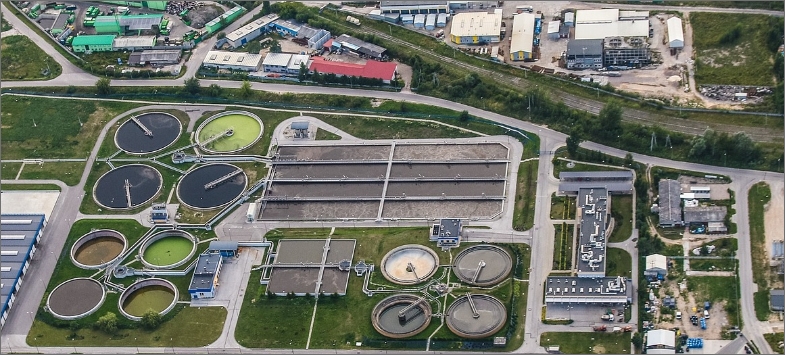
Wastewater
Wastewater infrastructure provides basic sanitation needs with measurable value for public health, quality of natural environments, and ability to support population and economic growth. For Arizona’s wastewater sector to maintain the state’s economic and projected population growth, approximately 30-50% of the state’s wastewater network, and 15% of the wastewater treatment plants (WWTPs) require rehabilitation, and at least a dozen WWTPs need expansion. Disparities exist between urban and rural utilities in technical, financial and management capacity. Future regulatory requirements will require enhanced treatment processes requiring higher levels of instrumentation and control to ensure compliance. Prolonged drought conditions in the region are driving implementation of Advanced Water Purification (AWP) technologies. Although the majority of WWTPs have up-to-date assessments of their needs, Arizona’s wastewater infrastructure has a $1.9 billion investment shortfall. Despite this significant funding gap, there has been a positive trend in recent investments, but those trends are not uniform across the state.
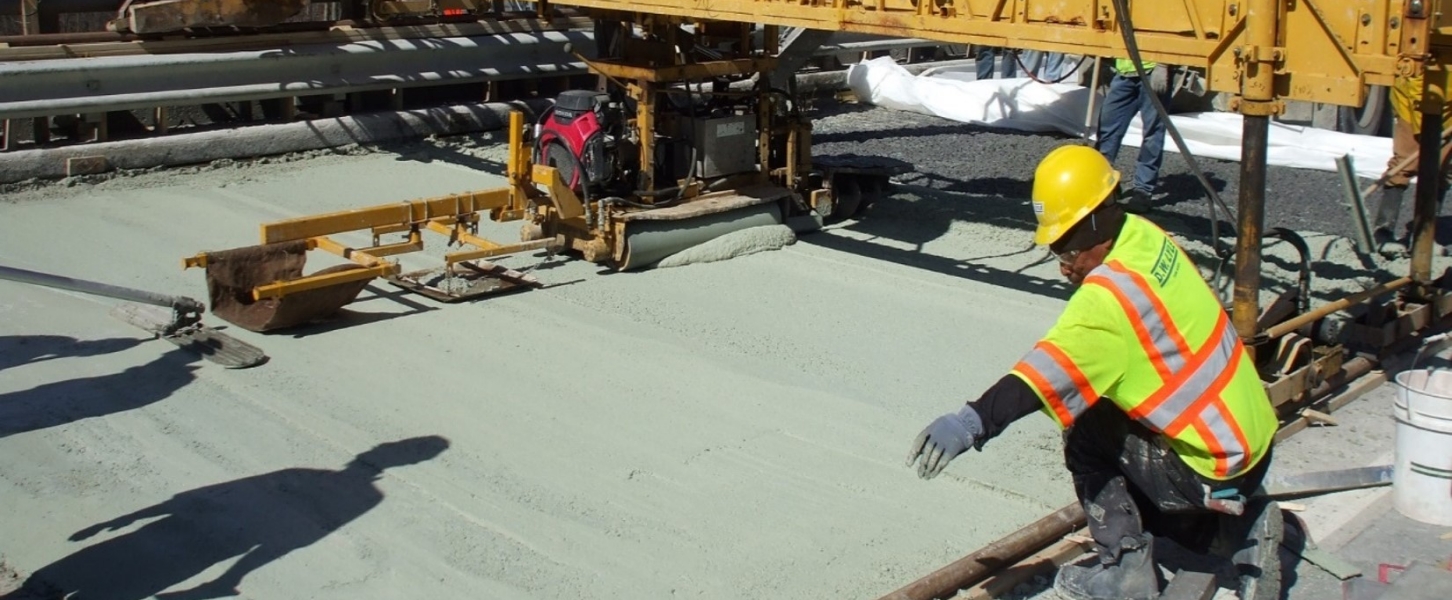
Less than 2% of bridges in Arizona are in poor condition, far lower than the national average.
State Fact Sheet
Download Fact Sheet
8,587
Bridges

1%
of Bridges are Deficient

162
High Hazard Dams

$28.4B
in Drinking Water Needs

368 Miles
of Levees
Protecting 464,000 people

54%
of Roads in poor or fair condition

$ 871
Motorist pays annually
due to insufficient infrastructure

66.6M
Passenger Trips on Public Transit

$20.1B
Wastewater needs

$10.4B
Total storm damage
(1980-2024)
IIJA Grants
IIJA Funding Announced
Number of IIJA Projects
I-10 Expansion Project: This $95 million award will widen approximately 10 miles of I-10 in the Gila River Indian Community and Pinal County from two lanes to three, improve interchanges, and replace low-clearance bridges, resulting in enhanced safety, reduced congestion, and improved freight mobility.
Gila River Indian Community Water Projects: This $118 million award will build a reclaimed water pipeline and crop irrigation system to conserve 200,000 acre-feet of water, resulting in improved drought resilience and sustainable water management in the Colorado River Basin.
San Luis I Land Port of Entry Modernization: This $200 million award will modernize and expand the San Luis I Land Port of Entry, doubling vehicle inspection lanes and boosting pedestrian inspection capacity by 40%, resulting in faster border crossings and new job opportunities for local communities.
2026 Report Card GPA: C
The Arizona Section of the American Society of Civil Engineers (ASCE) has released its 2026 Report Card for Arizona’s Infrastructure, assessing eleven infrastructure areas: aviation, bridges, dams, drinking water, energy, levees, rail, roads, stormwater, transit, and wastewater. Arizona’s infrastructure earned an overall grade of C, the same grade as the prior report card in 2020, indicative of infrastructure in mediocre condition that requires attention.
Arizona continues to experience rapid population growth, with projections indicating a 26% increase between 2026 and 2060. Much of this growth is driven by the expanding technology sector in Phoenix, the nation’s fifth-largest city. However, across Arizona, critical infrastructure has not kept pace with increasing demand. Transportation, water, housing, and public service systems face significant unmet needs; challenges that are further compounded by persistent funding shortfalls across sectors. Additionally, a changing climate is greatly affecting the state with more high temperature days, increased wildfires, prolonged drought, and more intense storms resulting in flooding and erosion. Arizona’s continued growth, coupled with the increasing frequency and intensity of extreme weather events, underscores the need for enhanced investment in infrastructure capacity, resilience, adaptation, and long-term sustainability.
The Infrastructure Investment and Jobs Act (IIJA) had helped closing gaps identified prior to 2021, by providing over $11 billion to projects statewide as of January 2025. However, state transportation revenues are not expected to cover future needs, with an expected gap of over $162 billion by 2050. Similarly, drinking water infrastructure needs are expected to exceed $12 billion over the next 20 years due to Colorado River shortages, accelerated groundwater depletion, and new federal standards for per- and polyfluoroalkyl substances (PFAS). These funding issues do not end with transportation and drinking water; these issues persist within dams, levees, bridges, transit, aviation, and stormwater sectors as well. Without significant new investments and funding solutions, Arizona’s infrastructure systems will struggle to meet the demands of a rapidly growing population and economy in the decades ahead.

Connect with Your Legislators
Let everyone know how important it is that we continue to invest in the future of America’s infrastructure.
Take Action Today