
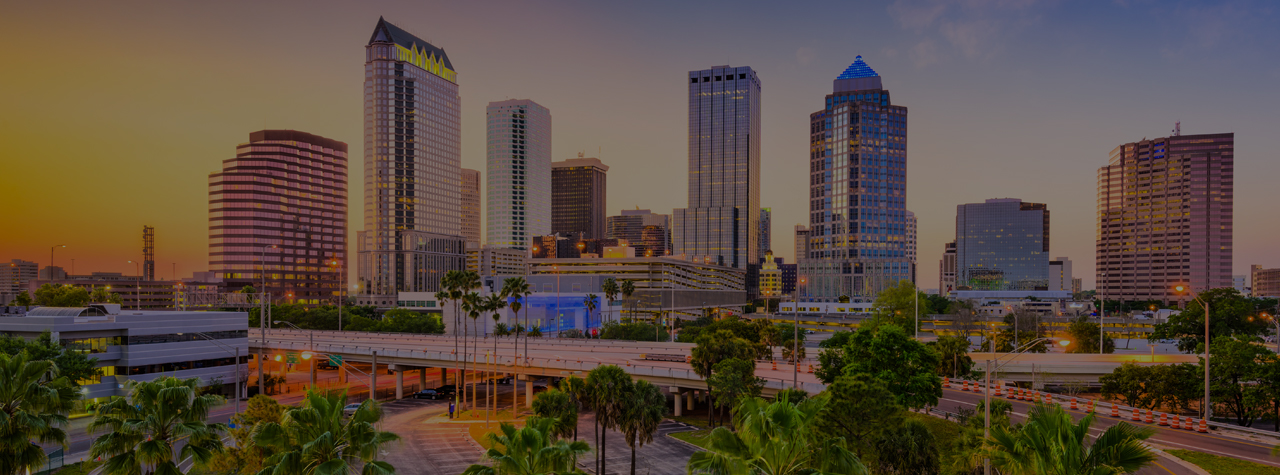

Florida Infrastructure Overview
Florida’s infrastructure is the backbone of its economy, communities, and environment. It supports a rapidly growing population of more than twenty-three million residents connects global commerce and sustains coastal communities and fragile ecosystems. In recent years, strategic federal and state investments, along with advances in materials, technology, and construction practices, have contributed to meaningful improvements across several sectors.
Florida’s energy grid is undergoing significant modernization to strengthen resilience and reliability. Renewable resources provided about 10% of in-state electricity generation in 2024, driven overwhelmingly by solar deployment. Florida’s bridge network also shows strong performance: nearly 60% of bridges are in good condition, while less than 3% are rated poor—well below the national average. Federal investments through the Infrastructure Investment and Jobs Act have strengthened transit agencies statewide, supporting aging systems that require modernization to keep pace with current safety and capacity demands.
Florida’s ports, rail, highways, and airports continue to serve as global gateways and major economic drivers. Sustained investment has helped expand capacity and maintain competitiveness, particularly at major facilities such as PortMiami, which is undergoing large-scale transformation through federal and state funding and technological upgrades. Florida’s roads are generally in good condition, and the state has launched targeted programs—such as the $4 billion Moving Florida Forward initiative—to accelerate congestion-relief and safety projects that respond to rapid population growth.
Despite these advances, Florida’s infrastructure faces mounting strain. Extreme weather, aging assets, and rapid population growth pose persistent challenges. Hurricanes have repeatedly illustrated these vulnerabilities; in 2022, Hurricane Ian destroyed the Sanibel Causeway, severing access to Sanibel and Captiva Islands and underscoring the risks facing critical evacuation routes. More broadly, many systems remain aging, underfunded, and increasingly vulnerable to climate impacts.
Water infrastructure is particularly challenged. Drinking water systems face more than $30 billion in needs over the next two decades. Many wastewater systems are highly exposed to storms, sea-level rise, and erosion. Aging dams and levees require strengthened state standards, updated enforcement, and additional financial support. Improved use of revolving loan programs, increased bonding capacity for utilities, and continued access to federal funding will be essential for rehabilitation and resilience.
Other systems also face growing pressures. Solid waste infrastructure is generally robust but threatened by emerging contaminants and climate risks. Florida’s schools rely heavily on local property taxes for capital improvements, highlighting the need for consistent, inflation-sensitive state support. Public parks face higher costs due to increased attendance and aging assets, requiring strategic investment to maintain equitable access and protect natural resources.
Strategic, sustained investment and innovation remain essential to ensure Florida’s infrastructure keeps pace with growth, withstands climate pressures, and supports a thriving future for the state. The 2025 Report Card for Florida’s Infrastructure evaluates 16 categories: aviation, bridges, coastal areas, dams, drinking water, energy, levees, public parks, ports, rail, roads, schools, solid waste, stormwater, transit, and wastewater—to help residents, businesses, and policymakers understand current conditions and plan for long-term improvement.
-
Explore Florida
- Grades
- State Fact Sheet
- IIJA Grants
Florida Infrastructure Grades
A: Exceptional, B: Good, C: Mediocre, D: Poor, F: Failing
Each category was evaluated on the basis of capacity, condition, funding, future need, operation and maintenance, public safety, resilience, and innovation


Aviation
Aviation is critical to the Florida economy contributing to tourism, agriculture, aerospace, and manufacturing. Today, the industry supports over 1.3 million jobs, up 40% from just 10 years ago, and aviation’s economic impact grew from $175 billion in 2019 to $336 billion in 2022. The system includes four large hub airports (MCO – Orlando, MIA – Miami, FLL – Fort Lauderdale, and TPA – Tampa Bay), 19 commercial services, and 87 general aviation airports supporting nearly 170 million commercial airline passengers annually. However, significant investment needs remain. Over the next five years, the Florida Department of Transportation (FDOT) has identified approximately $10 billion in funding needs for Florida’s airports. Addressing these needs is a key focus of Florida’s ongoing initiatives to strengthen airport safety, efficiency, capacity, and environmental performance.
Bridges
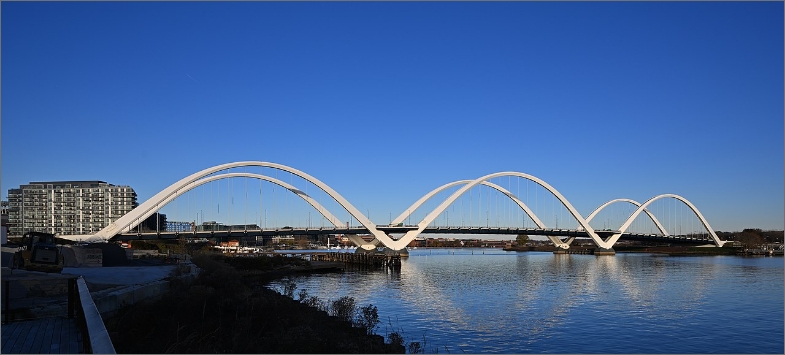
Florida has 13,036 structures in its bridge management system, including conventional bridges and culverts spanning over 20 feet. The state maintains 7,374 (56.5%) bridges, county governments maintain 4,034 bridges (31%) and cities and towns maintain 1,304 bridges (10%). Other entities, such as railroads and parks, maintain the remaining 324 (2.6%) bridges. The Florida Department of Transportation (FDOT) inspects and rates most of the bridges in the state. Florida has 364 poor bridges (2.8%), and 894 (6.9%) bridges are posted or closed. The state’s bridges outperform national trends in overall condition; nearly 60% of Florida’s the state’s bridges are rated in “good” condition, compared to a smaller share nationally. At the same time, only 2.8% of Florida bridges are rated “poor”—well below the national average. The remaining 37.7% fall into the “fair” category. FDOT, cities, and counties have done an exemplary job of prioritizing bridge preventative maintenance, routine maintenance, and repair and rehabilitation.
Coastal Areas
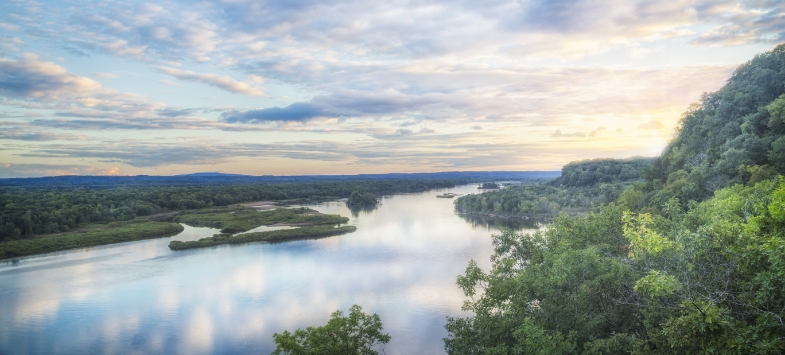
Florida’s economy is heavily dependent upon tourism from its natural coastal environment. An estimated 1.2 billion beach visits occurred in Florida in 2019, representing a significant impact on the state’s economy. Beach-oriented tourists in Florida generate $23.3 billion in tax revenues annually. In addition to their significant economic impacts, beaches reduce storm damage to coastal infrastructure and communities. Unfortunately, erosion caused by natural changes and human activities such as navigation inlets and coastal development threaten Florida’s coastal areas. Approximately 540 of Florida’s 825 miles of sandy shoreline shows signs of erosion, an increase from 504 miles in 2016. Addressing this erosion requires nearly $6.3 billion, but the state is only allocating $50 million per year with little guarantee of future funding at this level. While recent federal disaster funding has helped lessen the immediate funding gap, significant work remains.
Dams
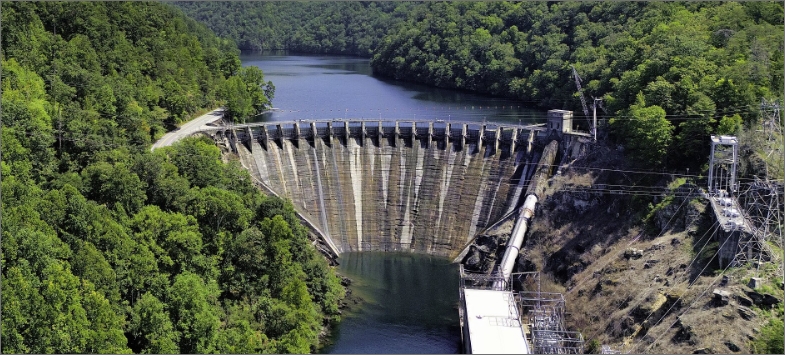
Florida is home to 1,080 dams that provide critical services such as flood protection, water supply, recreation, mine tailings containment, and habitat preservation. However, the state’s dam infrastructure is aging with an average age exceeding 56 years. Further, more than 85% of dams lack condition assessments. Recent incidents in the state underscore the vulnerability of dams during extreme weather. With 79% of dams privately owned and only 18% having Emergency Action Plans, Florida lags behind national safety benchmarks. To address these challenges and improve public safety, Florida should improve state requirements and enforcement for dam safety and establish a grant or loan program to support rehabilitation, particularly for high hazard potential dams.

Drinking Water
Florida’s drinking water system spans a complex network of aging infrastructure serving a fast-growing and geographically diverse population. While urban utilities draw from the deep and dependable Floridan Aquifer, many rural communities rely on shallow, contamination-prone sources and small-scale systems. As the population grows, water demand is projected to surge by 13%, placing added pressure on aging pipes, outdated treatment plants, and vulnerable groundwater supplies. Though utilities have largely maintained reliable service, the increasing strain from growth, climate risks, and deferred maintenance threatens long-term system stability. Statewide investments in reclaimed water, alternative sources, and system upgrades have driven meaningful progress, yet Florida still faces more than a $30 billion funding gap to modernize drinking water infrastructure. With new regulations on emerging contaminants like PFAS and growing expectations for leak prevention, asset management, and resilience, the state must continue to adapt. Advancing innovation, strengthening the workforce, and bolstering rural systems will be essential to safeguarding water quality and reliability.
Energy
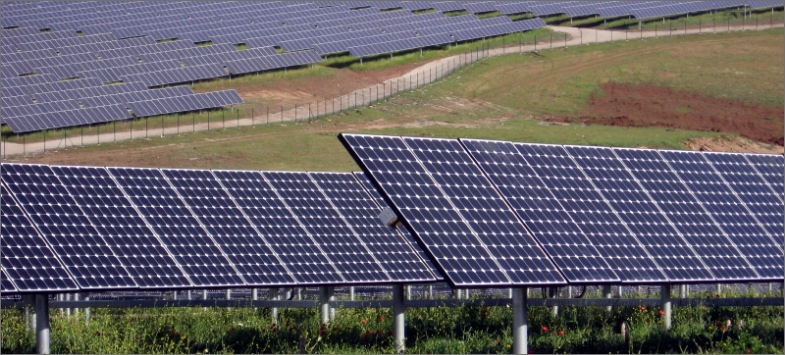
Florida ranks third nationally in total energy consumption, behind Texas and California, and is the second-largest producer of electricity after Texas. Given Florida’s subtropical climate, 55% of electrical energy sales are attributed to residential air conditioning – the largest share of any state. Florida has the sixth lowest total energy consumption per capita and the fourth lowest electric energy consumption per capita in the nation. Florida generates electrical energy more efficiently than the rate of its annual residential and tourism population growth, while becoming less reliant on electric energy imports. Nearly three-fourths of in-state electric power generation is supplied by natural gas-fueled turbine generators. By 2033, natural gas consumption for electrical power generation is projected to decrease to 54%, nuclear is projected to remain steady at 10%, and renewables, primarily led by solar, are projected to fuel nearly 31% of electrical power generation.
Levees
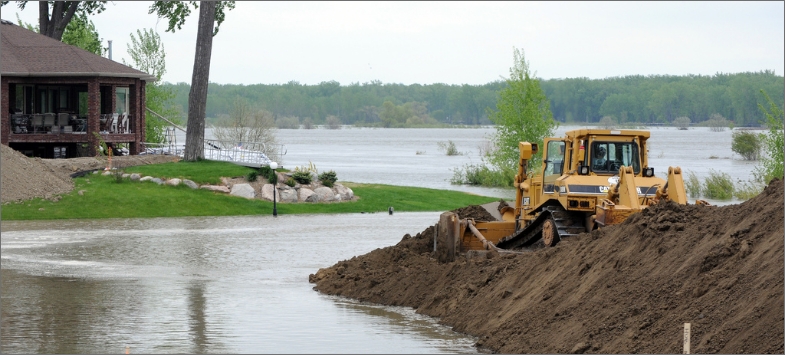
Florida’s levee infrastructure, measuring over 1,050 miles in length, is crucial for safeguarding millions of residents, billions of dollars in property, and vital agricultural and environmental resources. The majority are earthen embankments overseen by regional water management agencies, but many levees are managed by private owners, and some likely exist outside of current data. Levees in the state average 51 years old, and many were not built to meet modern standards for storm surge and sea-level rise. As flood risks increase due to climate change, patchwork oversight, uneven maintenance practices, and absence of a dedicated state funding source continue to expose communities to long-term risk. Critical steps are needed to raise Florida’s levees grade and protect communities statewide.
Ports
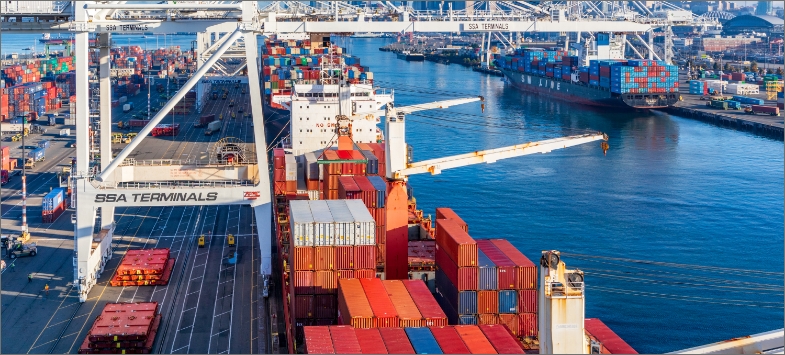
Florida’s 16 public ports serve as critical gateways for domestic and international trade and support the world’s largest cruise operations. Together, they generate nearly 1.2 million jobs and contribute about $195 billion to the state’s economy—roughly 12% of Florida’s GDP. Strategic investments through the “Seas the Opportunities” initiative have expanded deep-water infrastructure, strengthened resilience through hardening projects, and enhanced intermodal connectivity across road, rail, and air, positioning Florida as a global maritime leader. Despite these advancements, funding shortfalls persist at both state and federal levels. Florida’s ports face ongoing challenges that require coordinated solutions, including adapting to shifting global supply chains, managing inland logistics, mitigating environmental impacts, and advancing digitalization and automation. Additionally, evolving governance structures and competitive pressures underscore the need for innovation and integration across all scales of port operations to maintain Florida’s leadership in maritime trade and sustainability.

Public Parks
Florida is home to one of the largest and most acclaimed park systems in the nation, spanning more than 815,000 acres across 175 state parks, nine state trails, and numerous historic sites. The system features 2,600 miles of trails, over 100 miles of coastline, diverse ecosystems, and unique underwater archaeological sites. Florida also stands out as the only state with extensive shallow coral reefs, safeguarded by 43 aquatic preserves and a federally designated marine sanctuary. Managed by the Florida Department of Environmental Protection’s Division of Recreation and Parks, the system is supported by the Florida Park Service, the Office of Greenways and Trails, and the nonprofit Florida State Parks Foundation. Together they advance recreation, conservation, and education through statewide planning and community engagement. Florida’s park system is receiving increased financial support annually, yet rising visitation, environmental pressures, natural disasters, and a backlog of deferred maintenance underscore the need for greater funding and enhanced management efforts to sustain the system’s long-term benefits.
Rail
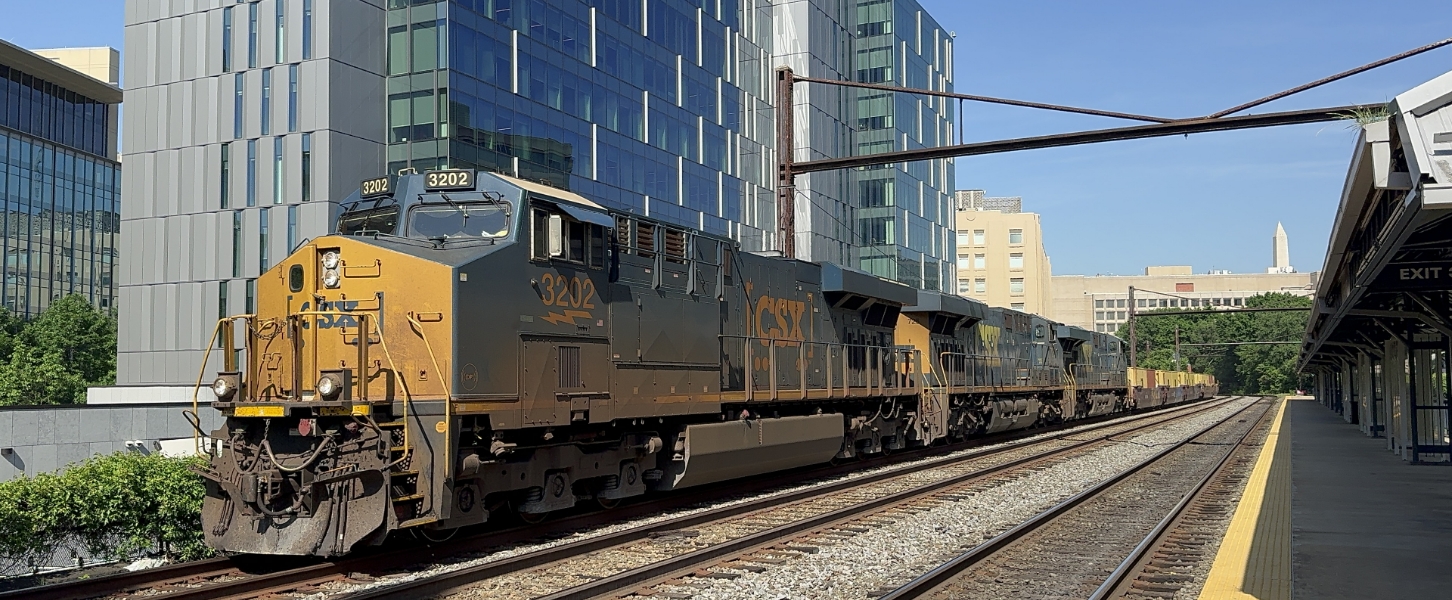
Florida’s 2,900-mile rail network is vital to the state’s economy, serving as a major freight corridor and providing intercity passenger service through Class I carriers, short lines, and two operators. While Florida benefits from modern, high-performing infrastructure in select corridors—most notably Brightline’s high-speed passenger line and major Class I freight routes—its overall effectiveness is undermined by significant and widespread challenges. Persistent capacity bottlenecks, deteriorating condition of essential short line infrastructure, and pervasive safety risks at grade crossings present substantial obstacles to optimal performance and future growth. Through 2045, the state confronts a daunting $12.2 billion backlog in unfunded rail infrastructure needs. To ensure Florida’s rail network supports a growing population, dynamic freight market, and evolving climate, it is imperative that strategic action is taken to boost funding, modernize infrastructure, enhance safety and resilience, and scale innovation is imperative. Sustained coordination will help build a resilient, efficient system ready for future demands.
Roads
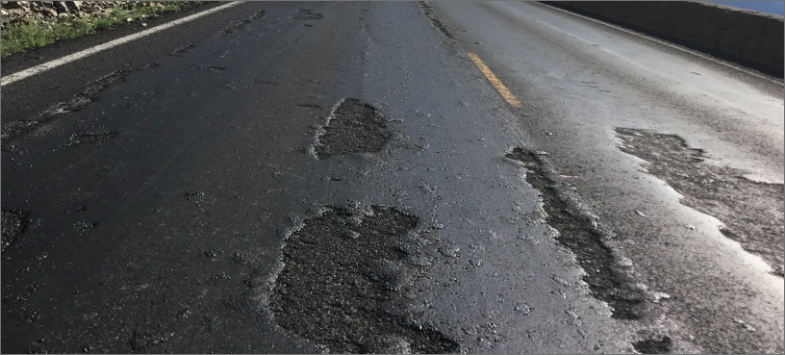
Florida’s State Highway System (SHS) comprises 12,273 miles of public roads, including 1,475 miles of interstate highways. Approximately 56% of these roads are urban and 44% are rural, with 83% rated in good condition. Roadway safety has improved, with traffic fatalities declining 5% from 2022 to 2023, totaling 3,375 deaths statewide. As the third most populous state, Florida’s population reached 23 million in 2024 and is projected to exceed 24 million by 2027, driving significant pressure on the state’s transportation infrastructure. To meet growing mobility demands, the Florida Department of Transportation (FDOT) and local partners are advancing a coordinated approach through the Florida Transportation Plan (FTP), which sets a long-term vision for a safe, efficient, and interconnected multimodal system. Continued investment, innovation, and collaboration will be essential to maintaining Florida’s strong transportation performance as growth and tourism continue to accelerate.
Schools
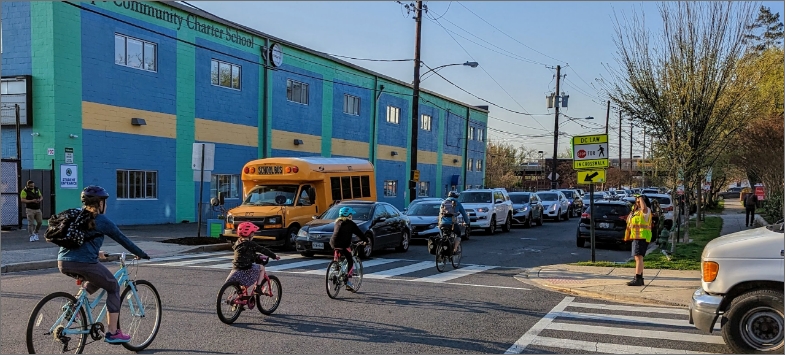
Florida has 2,576 public school buildings with an average age of 35 years, below the national average of 49 years. Districts report facility needs across eight categories, including roof replacement and repair, HVAC replacement or repair, life safety issues, fire alarm upgrades, indoor air quality testing and asbestos or mold issues, plumbing, physical distribution emergency generators, and site security, fencing, and walks. Ninety-one percent of schools meet the state’s class size reduction requirements, though comprehensive statewide condition data is not available. The Office of Educational Facilities oversees planning, funding, construction, and operations, but available resources are insufficient to meet statewide needs. Construction costs vary significantly due to inflation, materials, and regional labor factors, while state funding relies heavily on lottery proceeds and local property taxes. Enrollment changes and the expansion of scholarship programs are reshaping district budgets. Public K–12 schools provide about 97% of Florida’s hurricane evacuation shelter capacity.
Solid Waste
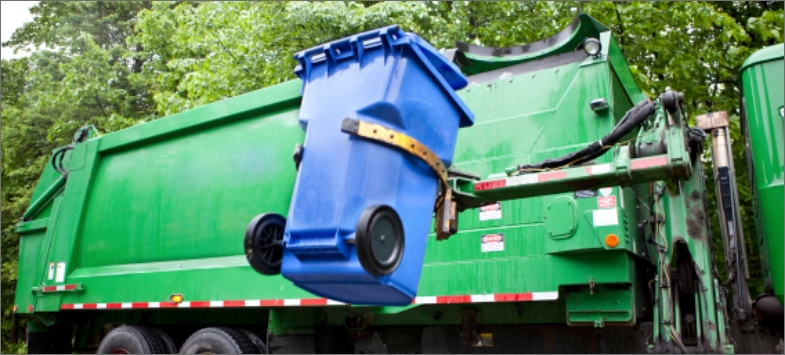
Florida handles municipal solid waste (MSW) in three ways: it is either sent to a landfill, separated for recycling, or combusted for energy generation. Increased populations of both permanent residents and visitors are contributing to the amount of MSW generated per capita, nearly triple the national per capita average of 4.51 pounds per day. The average cost to dispose of MSW in Florida is higher than the national average. The capacity for handling this waste is adequate for both current and future needs, but a portion of the state’s counties will reach landfill capacity in about 10 years. Some metropolitan areas, like those in South Florida where land availability is sparse, are making progress by innovating waste management and recycling, while other regions still rely heavily on landfills. Florida’s solid waste infrastructure is in good condition, though there are opportunities to strengthen recycling and reuse programs.
Stormwater
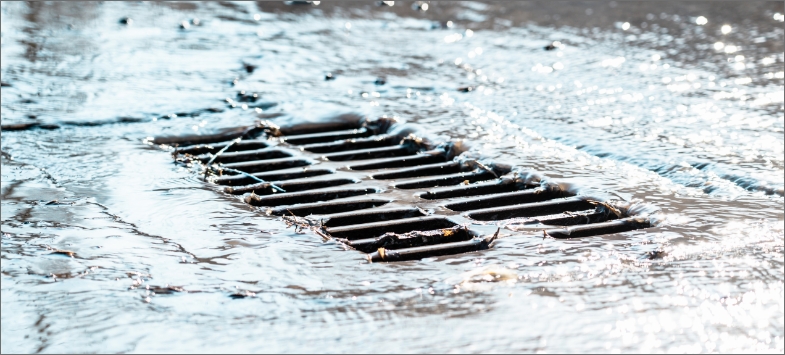
Florida’s stormwater infrastructure plays a critical role in protecting communities and waterways, yet faces mounting challenges from aging assets, increased nutrient pollution, and funding shortfalls. The state’s updated stormwater management rule—effective December 2025—marks a major policy shift toward performance-based design, measurable pollutant reduction, and stronger maintenance requirements. These reforms aim to improve water quality and promote sustainable development statewide. Despite historic levels of investments, including over $389 million in recent state funding and federal support through the Infrastructure Investment and Jobs Act, the scale of need remains substantial. Much of Florida’s stormwater system, such as the South Florida Water Management District’s extensive canal and pump network, was built in the middle of the last century and now requires significant rehabilitation. Local utilities continue to raise rates, yet revenues lag behind rising maintenance costs. Sustained investment, proactive asset management, and continued innovation in best management practices will be essential to meet long-term water quality and flood-resilience goals.

Transit
Transit is a vital part of Florida’s transportation system, supporting economic growth, social equity, sustainability, and congestion reduction. Florida’s 34 urban and 16 rural systems provide multimodal service to millions, though ridership declined by over 10% from 2014 to 2022, driven by factors such as economic displacement of low-income riders and the COVID-19 pandemic. Federal relief funding helped stabilize budgets, and many systems have recovered to nearly 80% of pre-pandemic ridership. Florida’s transit assets are generally newer than those in most states, and the Florida Department of Transportation’s asset management plan strategically allocates limited resources to maintain system quality and reliability. Despite ongoing challenges—including first- and last-mile connectivity, population growth, climate impacts, and digital infrastructure needs—Florida’s transit agencies are advancing adaptive planning, technology integration, and safety-focused investments to ensure transit remains a resilient and efficient component of the state’s growing transportation network.
Wastewater
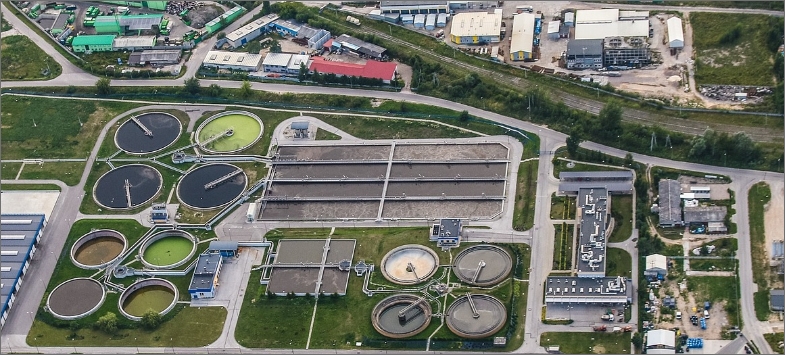
Florida’s wastewater infrastructure is undergoing significant modernization as the Department of Environmental Protection (DEP) implements the 2020 Clean Waterways Act and subsequent reforms. The state oversees more than 4,100 permitted facilities with 2.7 billion gallons per day of domestic treatment capacity, currently using about 1.5 billion gallons, while an estimated 2.5 million onsite systems still serve roughly one-third of residents. New statutory and rule requirements are driving asset management, backup power and resiliency planning, and greater emphasis on reuse and nutrient reduction. Utilities are adopting digital tools, advanced diagnostics, and innovative reuse projects, yet aging collection systems, growing sanitary sewer overflows during hurricane season, and rising cybersecurity risks expose vulnerabilities. Although rates have increased, long-term capital needs—estimated at $90.5 billion for wastewater through 2040—far exceed available funding, especially for small and rural systems. To raise the grade, Florida must expand targeted funding, accelerate septic-to-sewer conversions, strengthen climate resilience, and invest in a skilled workforce.
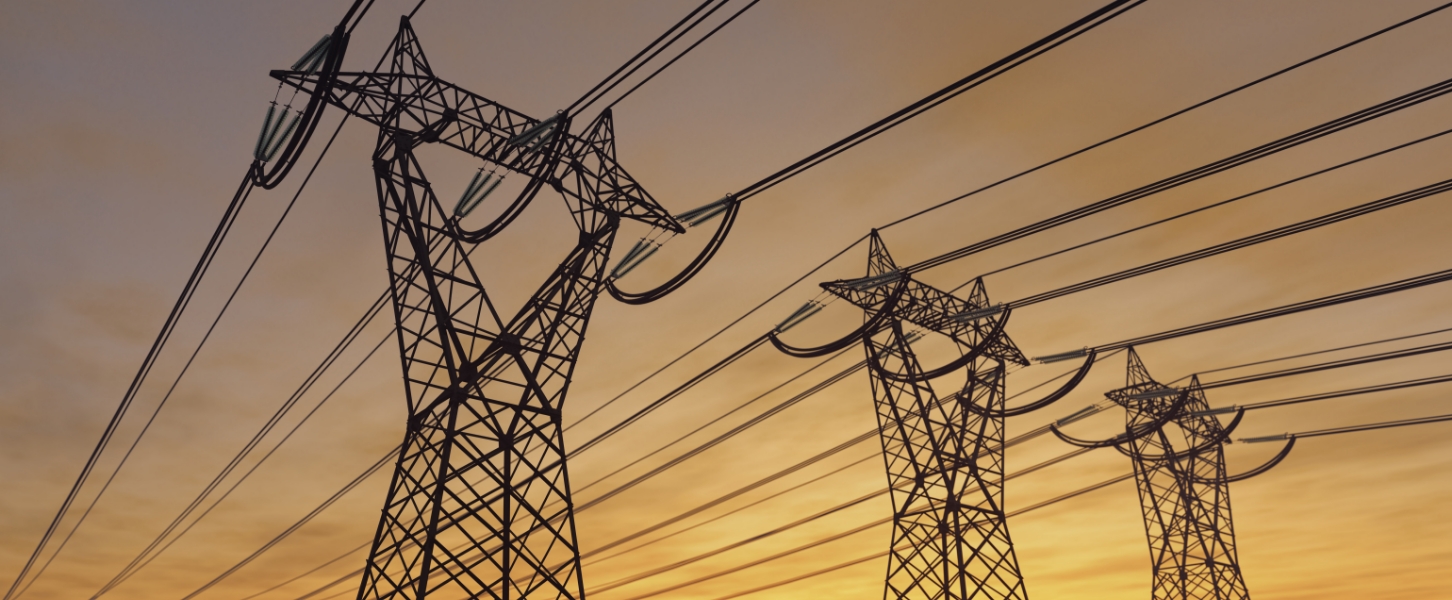
Florida has invested heavily in hardening its power infrastructure against major storms. The investment in resiliency has led to shorter average power outages.
State Fact Sheet
Download Fact Sheet
Aviation
$232 million in 2024 airport improvement grants across 26 major airports

Drinking Water
$26.8 billion total drinking water need

Transit
190 million passenger trips across 75 systems in 2023

Bridges
13,036 bridges, 2.8% of which were structurally deficient in 2024

Hazardous Waste
92 Superfund sites

Wastewater
$25.4 billion total wastewater need

Dams
101 high hazard dams

Levees
970 miles of levees protect 859,000 residents and $61.9 billion of property

Roads
32% of roads are in poor or fair condition
IIJA Grants

for South Florida ecosystem restoration in Broward County

for Miami International Airport

for Clearwater Multimodal Transit Center in Pinellas County

for FL Dept of Highway Safety & Motor Vehicles CDL program

Connect with Your Legislators
Let everyone know how important it is that we continue to invest in the future of America’s infrastructure.
Take Action Today